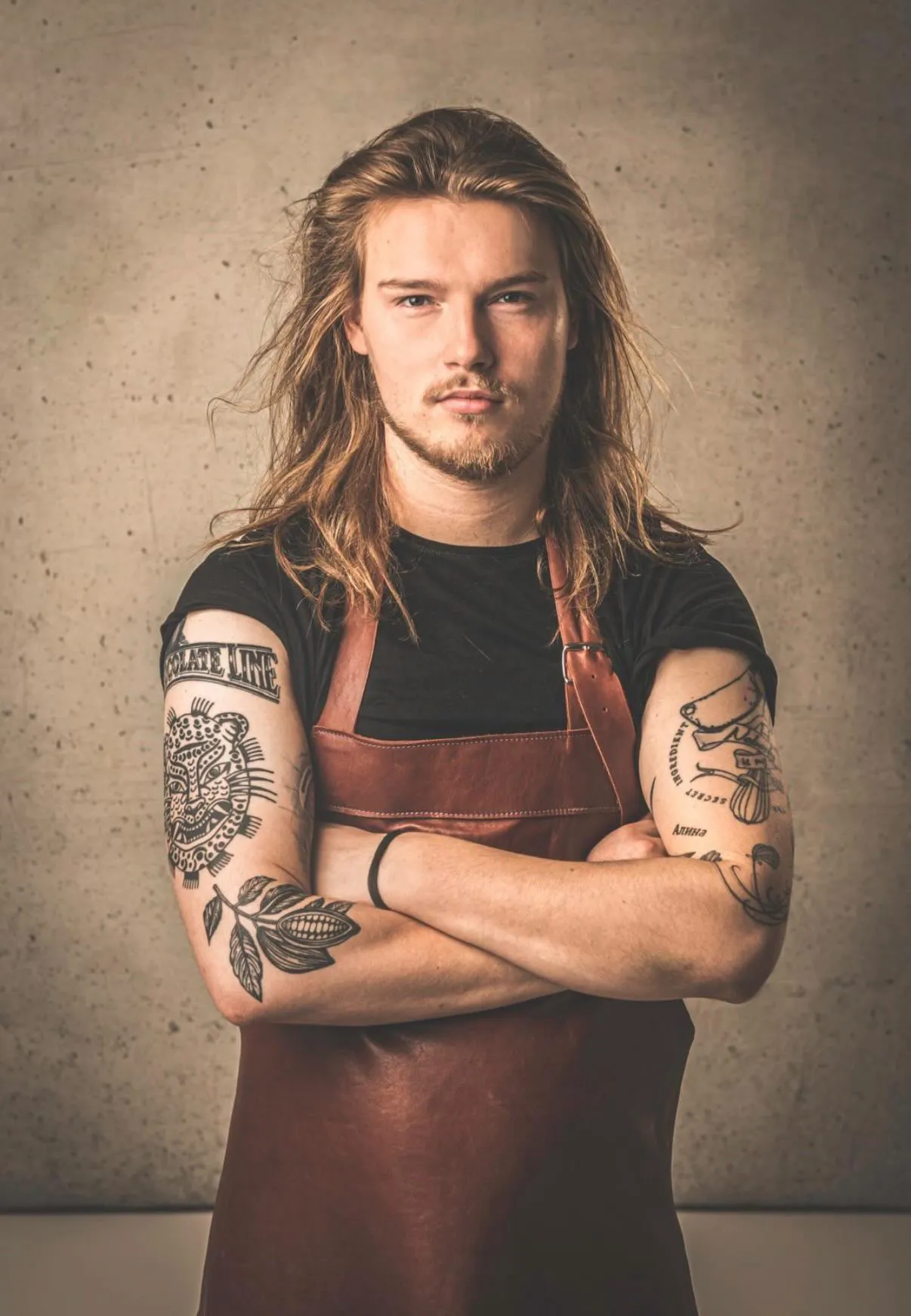
Julius Persoone is a third-generation chocolate maker, pastry che and food lover who redefines chocolate as an immersive, sensory experience rather than a simple dessert. He focuses on pushing boundaries by using fermentation, unconventional ingredients, and even byproducts to create complex, balanced flavors that engage curiosity and awareness.
The Best Chef: What is your core philosophy when creating chocolate and desserts?
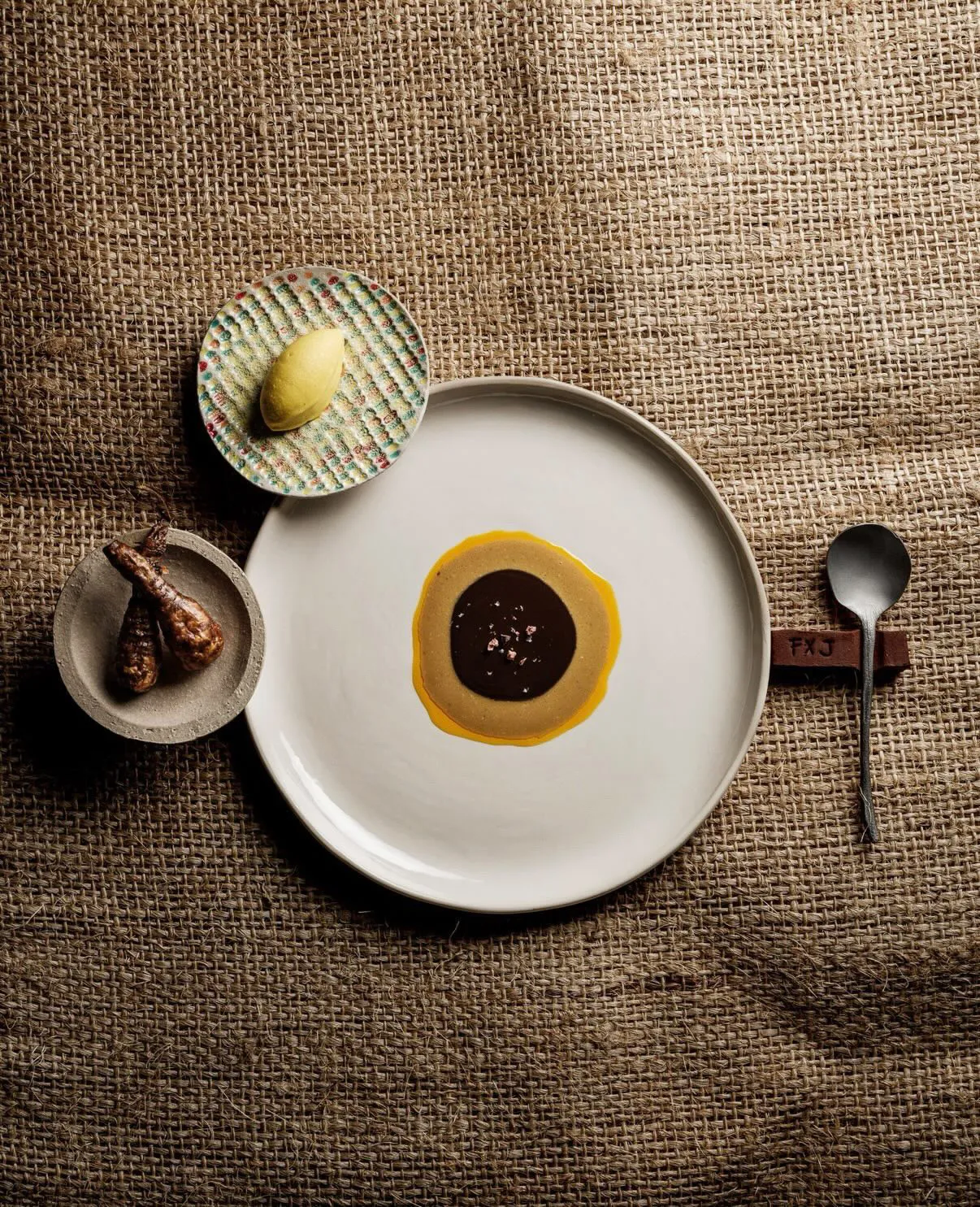
Julius Persoone: I really want to work outside the box. I don’t want to make chocolate that people eat in front of the television. It’s very important that when people bite into my chocolate or eat my desserts, they are really into the moment. I want them to analyze all the different layers and understand the vision of why I made certain things the way I did. When I was younger and saw my father creating new chocolates, he was already very innovative. In the beginning of the 90s, he made chocolate with wasabi and soy sauce, which was very experimental at that time. Before becoming a pastry chef, I studied to become a chef cooking in the kitchen. Eventually, I fell in love with pastry and chocolate because I saw that as a chocolatier, you are not limited to what a classic chocolate should be. Of course, you have to respect traditions – a chocolate with hazelnut or caramel has to stay – but you can look much further. At a certain moment, we felt that while chocolate is very nice and allows us to do experimental things – like flavor profiles based on rainwater, grass, or mother’s milk – we still had extra creativity left over that we really wanted to turn into a dessert. When making a dessert menu, people are often a bit afraid at the beginning because they think it’s going to be super sweet. But in our place, that is not the idea at all; we want to make savory desserts so that you don’t feel like you have a sugar overdose. We want you to feel balanced with sweetness, umami, sugar, and salt.
The Best Chef: You own a cacao plantation in Mexico. How does that influence your work and your understanding of chocolate?
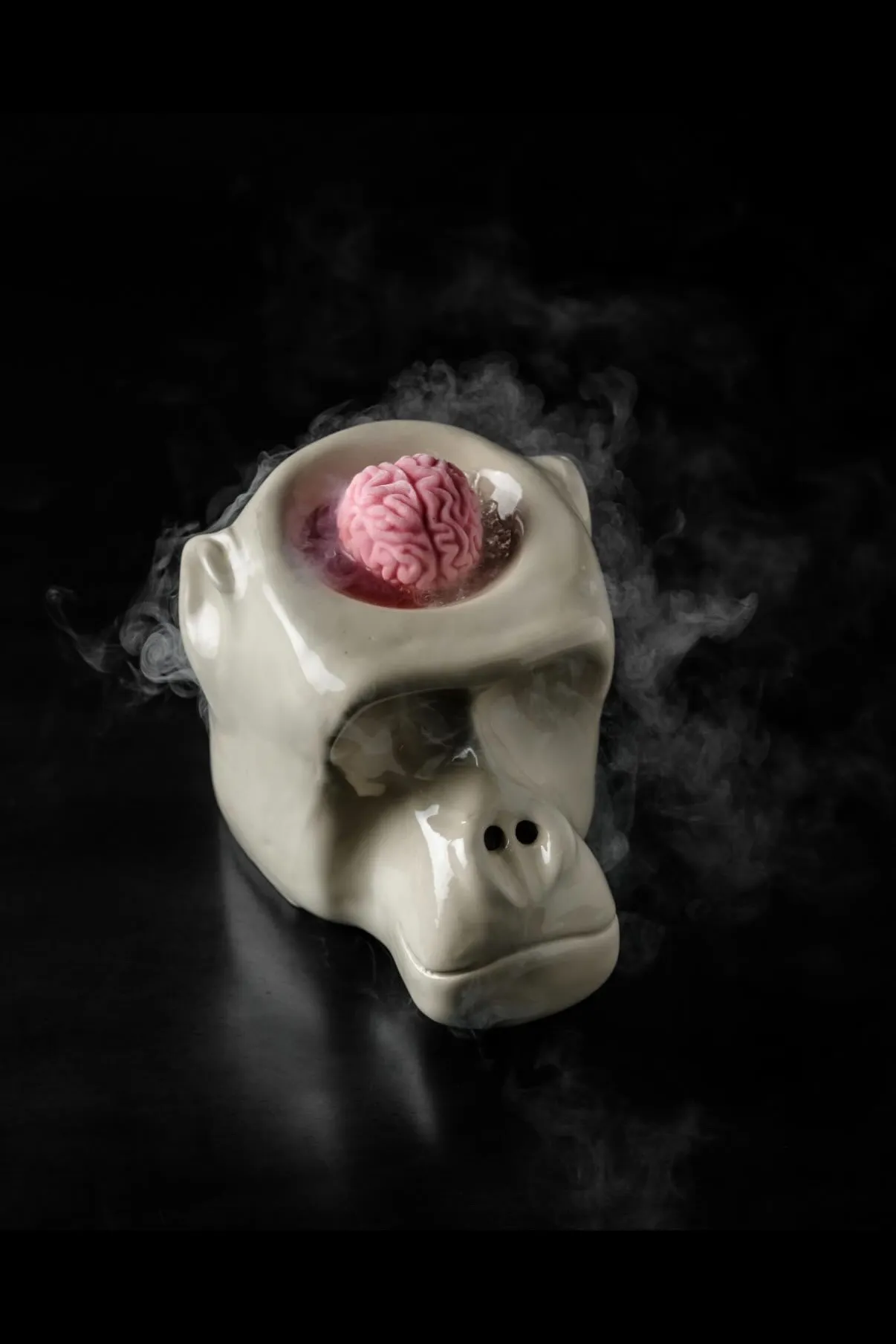
Julius Persoone: We started the plantation in Mexico because we couldn’t find the quality of cacao we wanted elsewhere. So instead of compromising, we decided to grow it ourselves. That decision gave us full control over the entire process – from soil to final dessert. We focus exclusively on Criollo cacao, which is one of the oldest and most delicate varieties. It has an incredibly complex flavor profile, and within it there are rare types like Criollo Porcelana and Monkey Cacao. Working directly with these varieties allows us to explore flavors that most people never experience in chocolate. What is most important for me, however, is not just the product but the connection between people and nature. I regularly bring my team from Belgium to Mexico so they can see how difficult the work on the plantation really is. It creates respect. When they later work with cacao in the kitchen, they understand the effort behind every bean. We also reverse that exchange: people from Mexico come to Belgium to see how we transform cacao into chocolate and desserts. This two-way learning creates a shared responsibility.
The Best Chef: What drives your experimental approach in chocolate making?
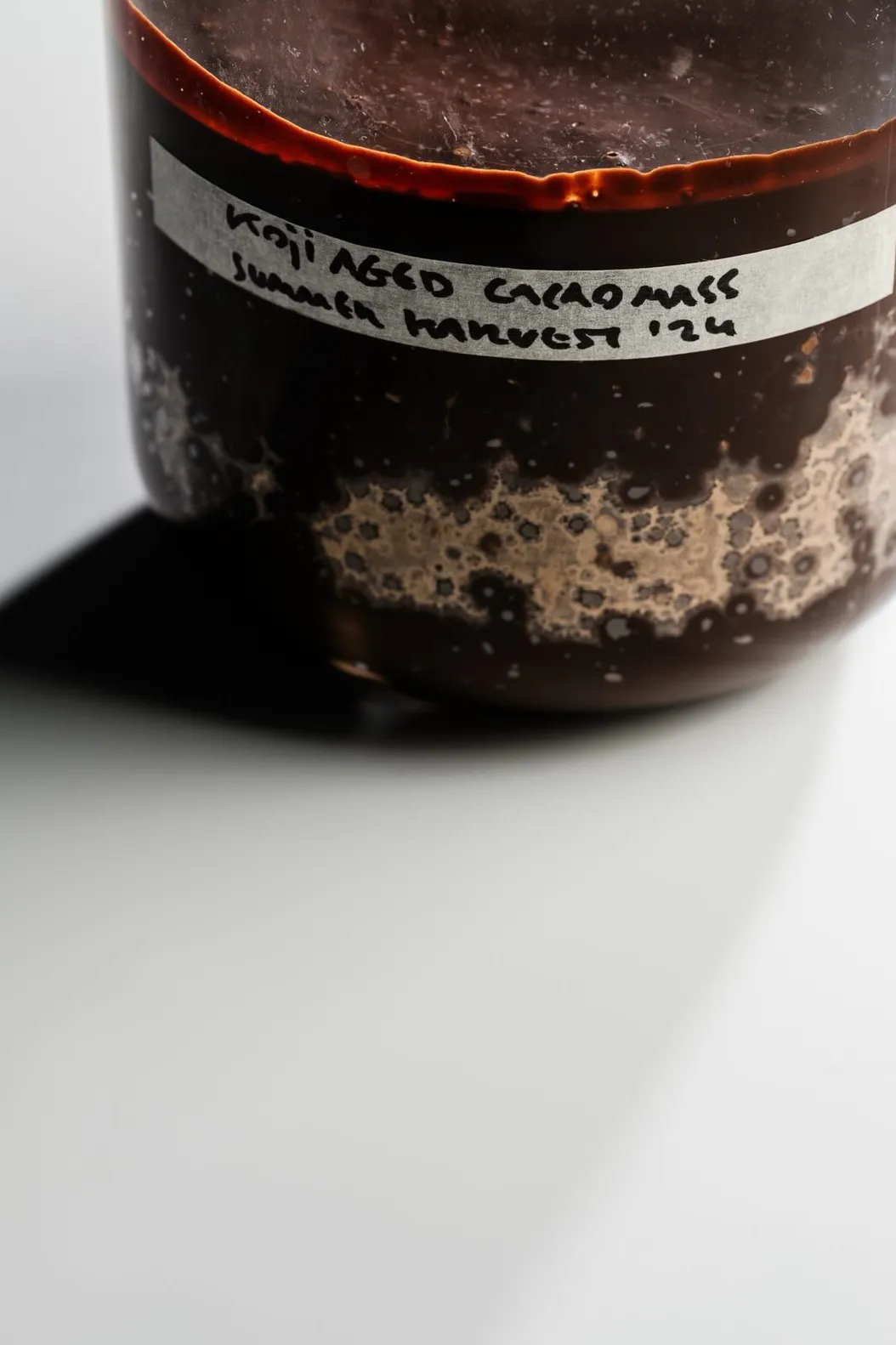
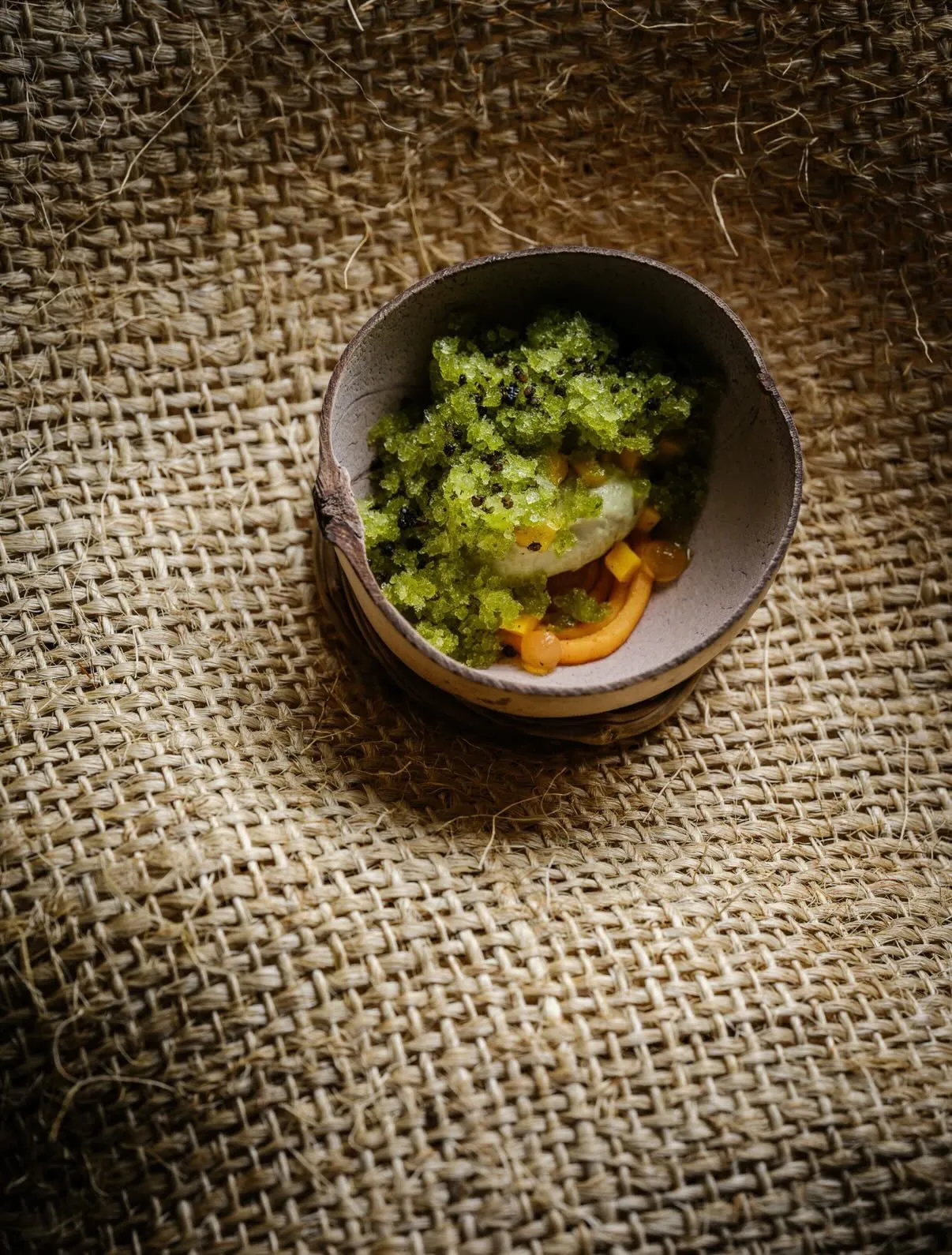
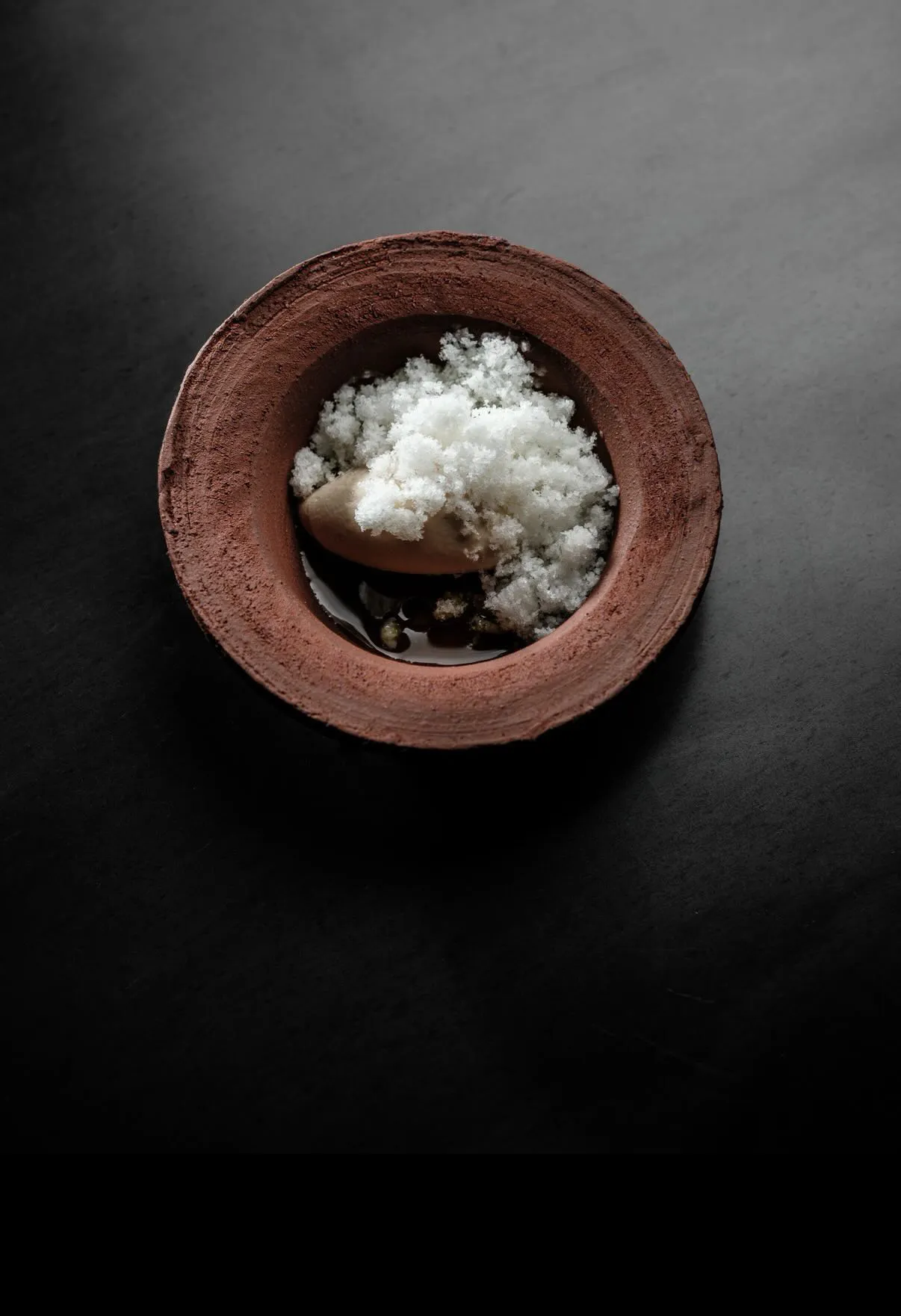
Julius Persoone: For me, innovation is about trying different things and turning what is normally considered waste into something meaningful. Take our cocoa husks. When the cocoa arrives from Mexico, we roast it at a low temperature around 120°C for 12–14 minutes, and then we remove the husk from the cocoa nib. The nibs are used for chocolates, but the husks usually get thrown away. Because we have vast amounts of them, we decided to make a cocoa husk miso, and from that miso, we create ice cream. We combine it with a snow made from the leftover pulp of Kosho Key Limes – whose zest and juice we use for pralines. Served on a plate made literally from our plantation’s soil, it becomes a completely zero-waste dish made entirely of ingredients people would normally discard. Furthermore, we play with a third type of fermentation by adding sourdough bread yeast to the cacao to create a very acidic bean. This acidic cacao and the koji-aged chocolate became the exact base for the chocolate I created for throat cancer patients. Because of the natural acidity and umami, it triggers extra saliva production, which makes the chocolate much easier to swallow. I think there is no better feeling as a chef than knowing you can think further, work with the medical world, and really change people’s lives.
Instagram: @juliuspersoone
Restaurant website: https://juliuspersoone.com/en/
Restaurant Address: The Chocolate Line Nv, Simon Stevinplein 19, 8000 Bruges, Belgium