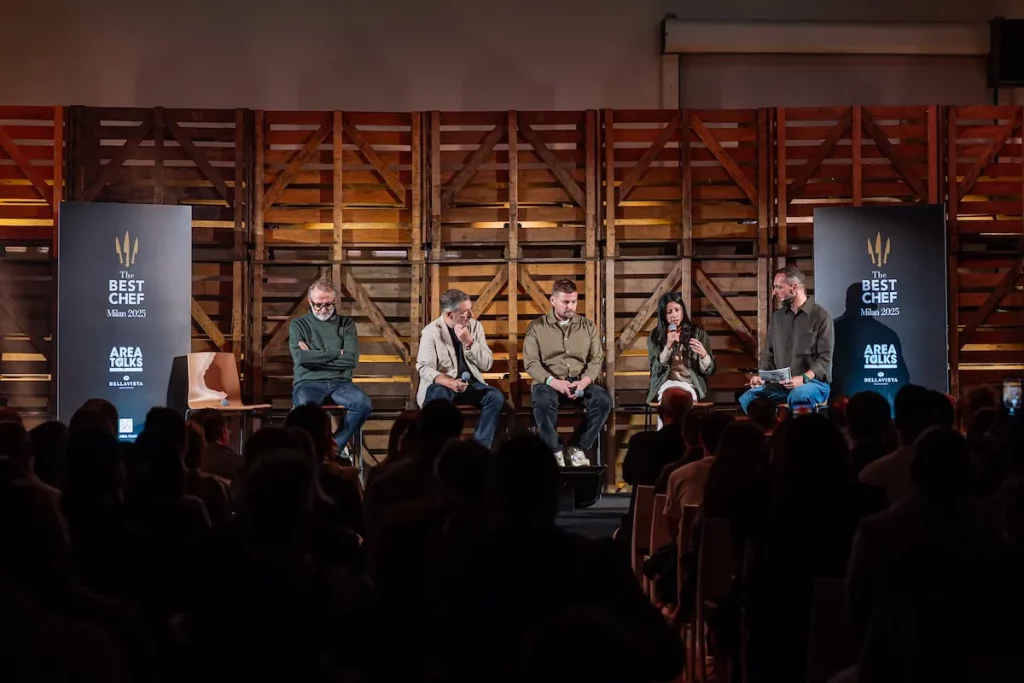
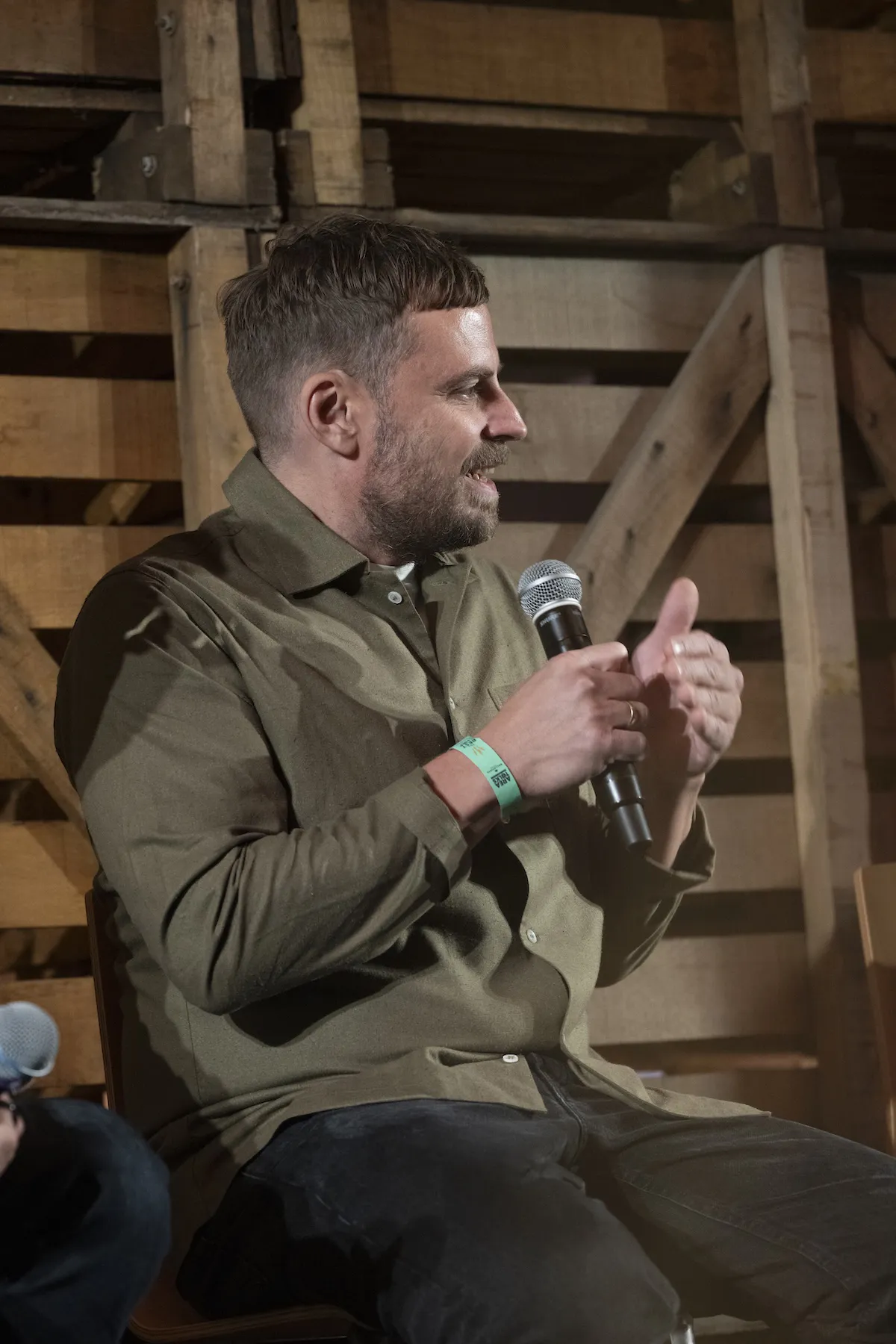
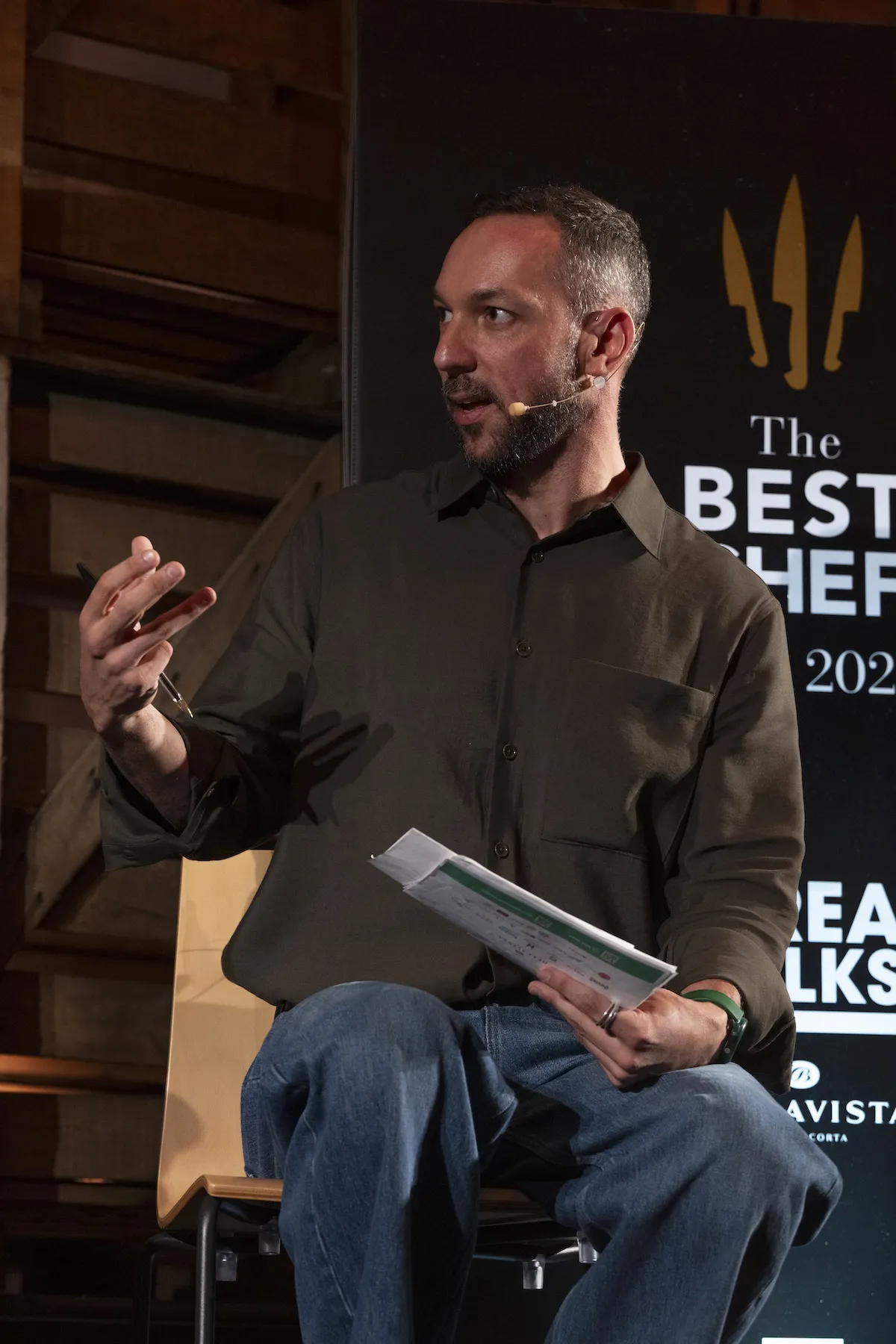
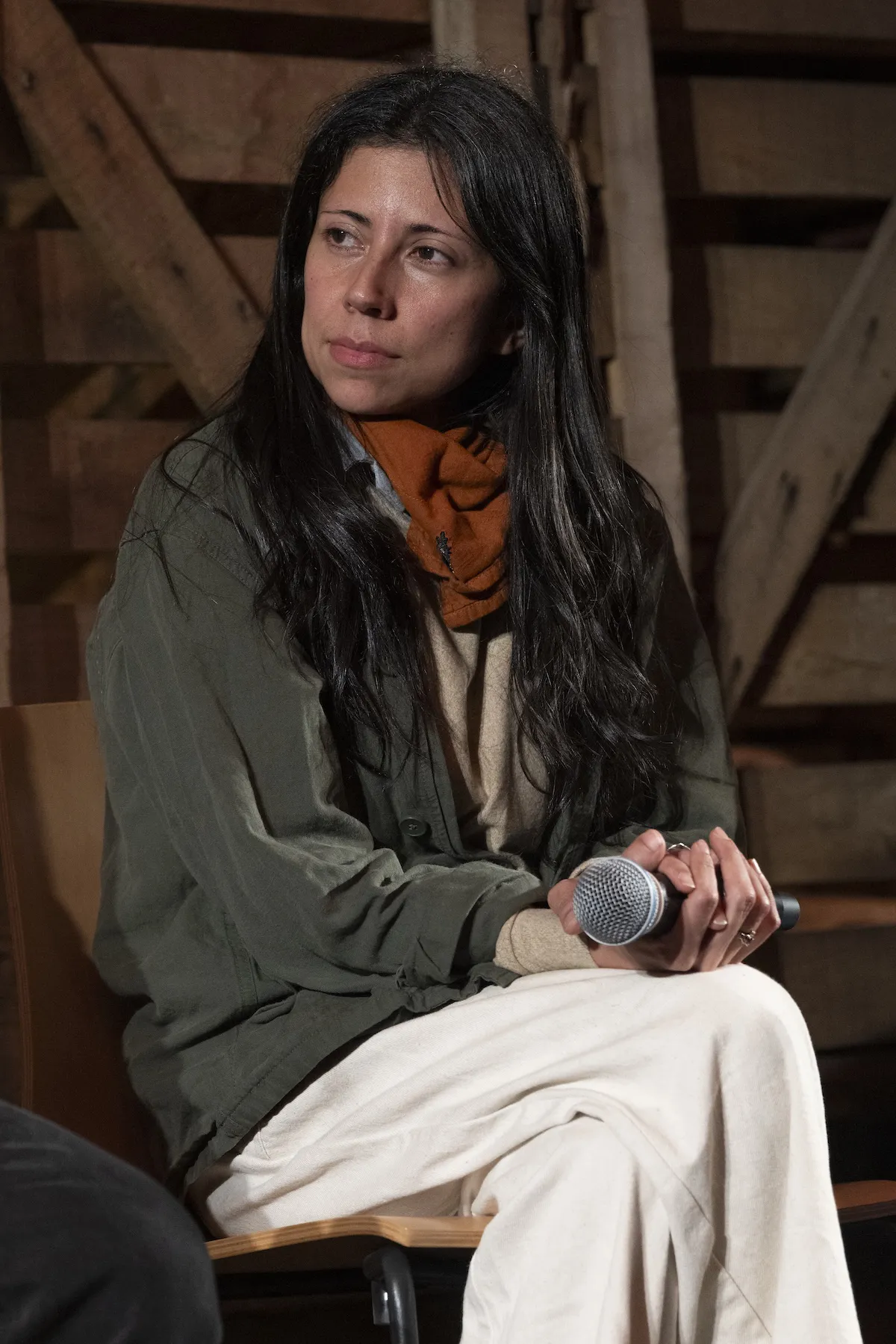
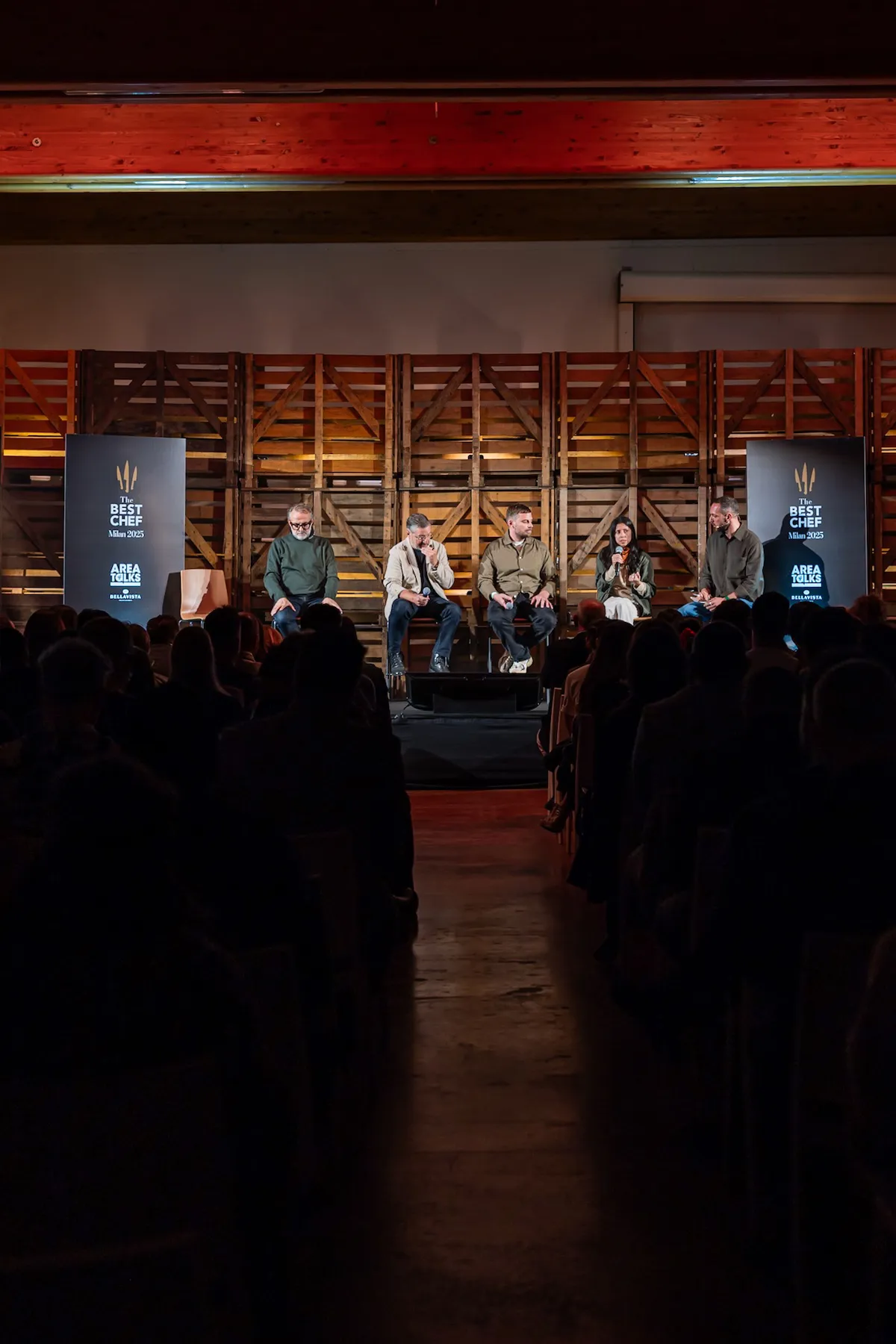
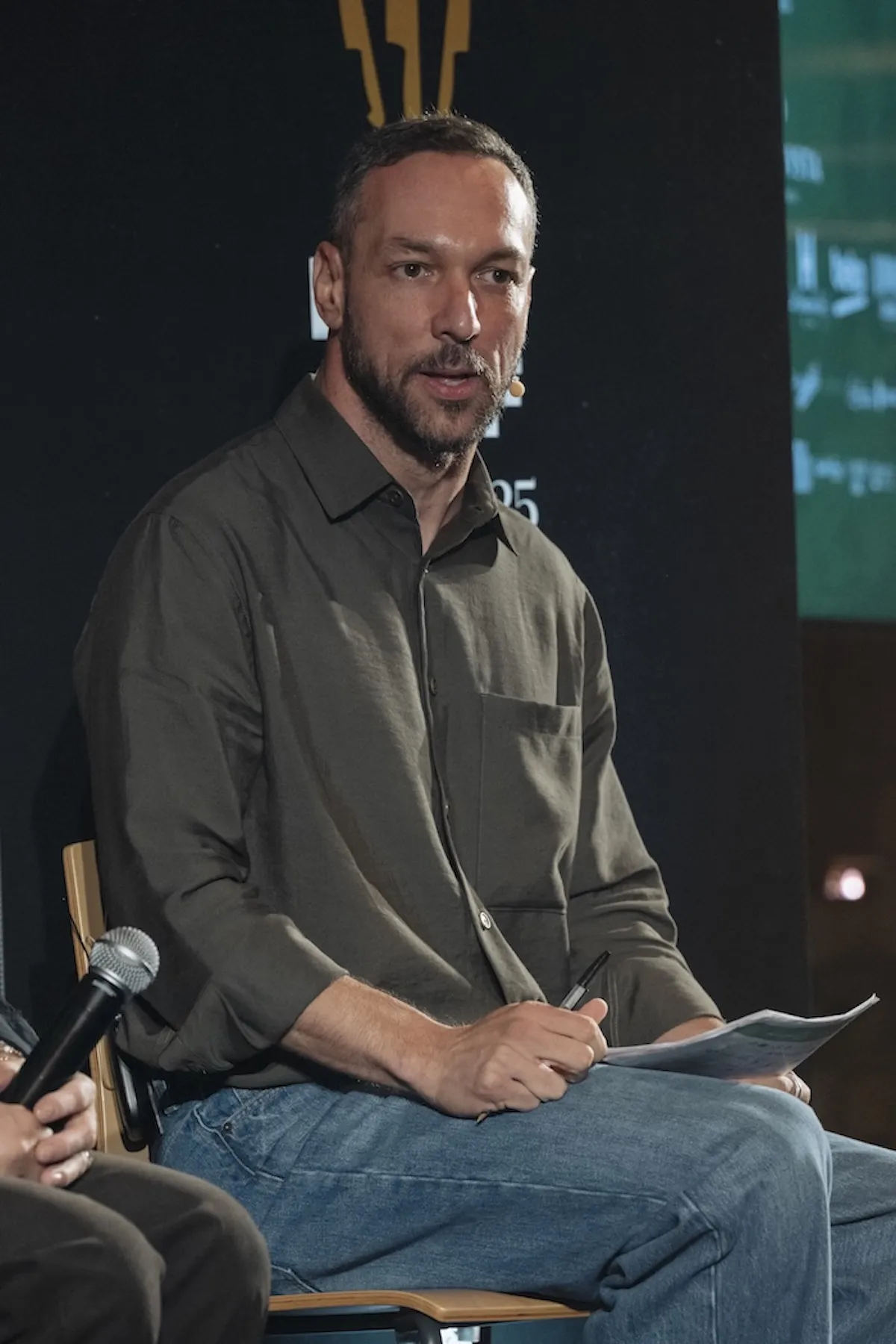
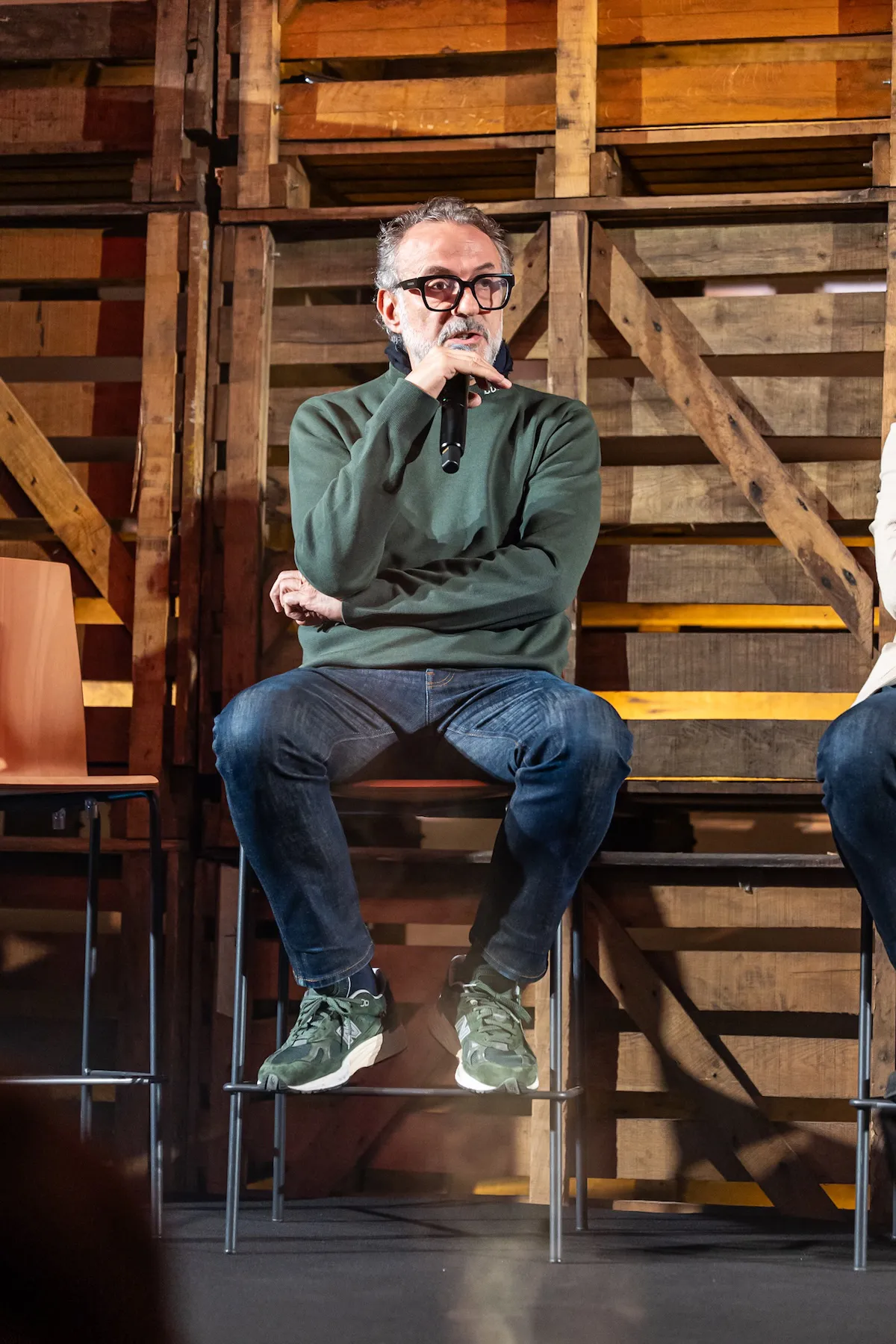
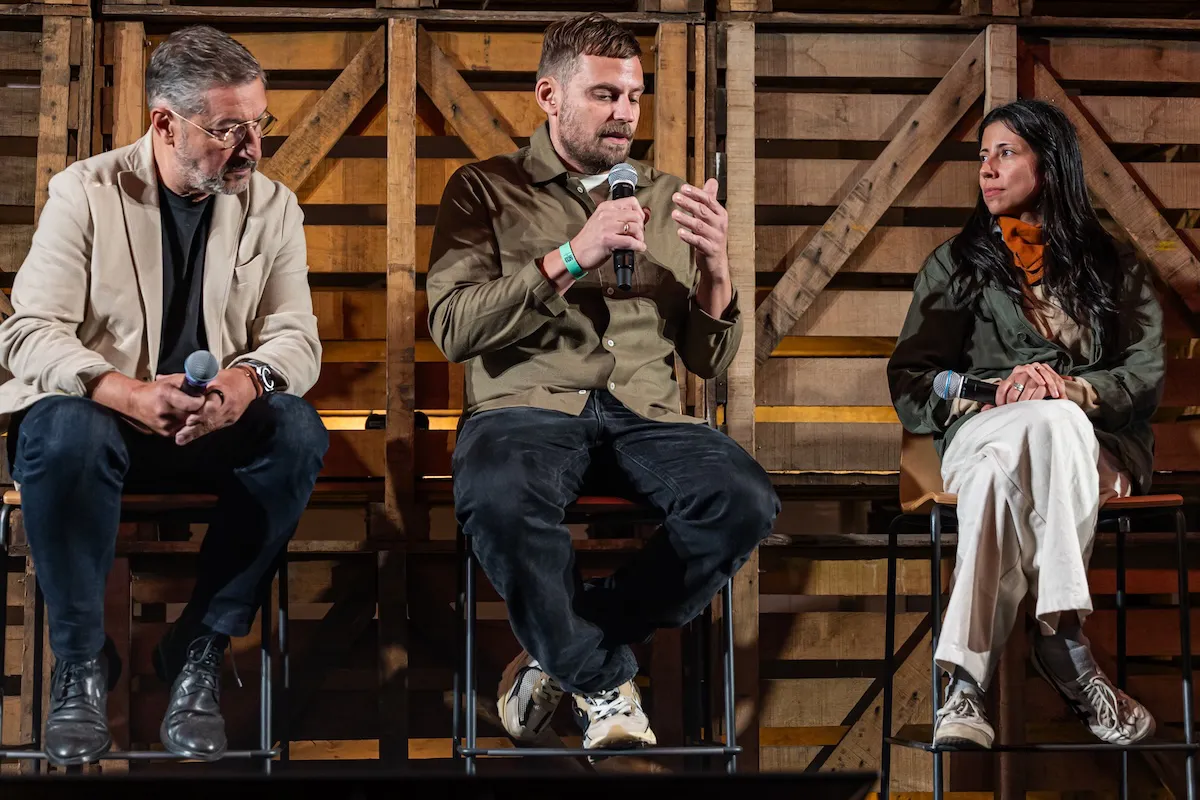
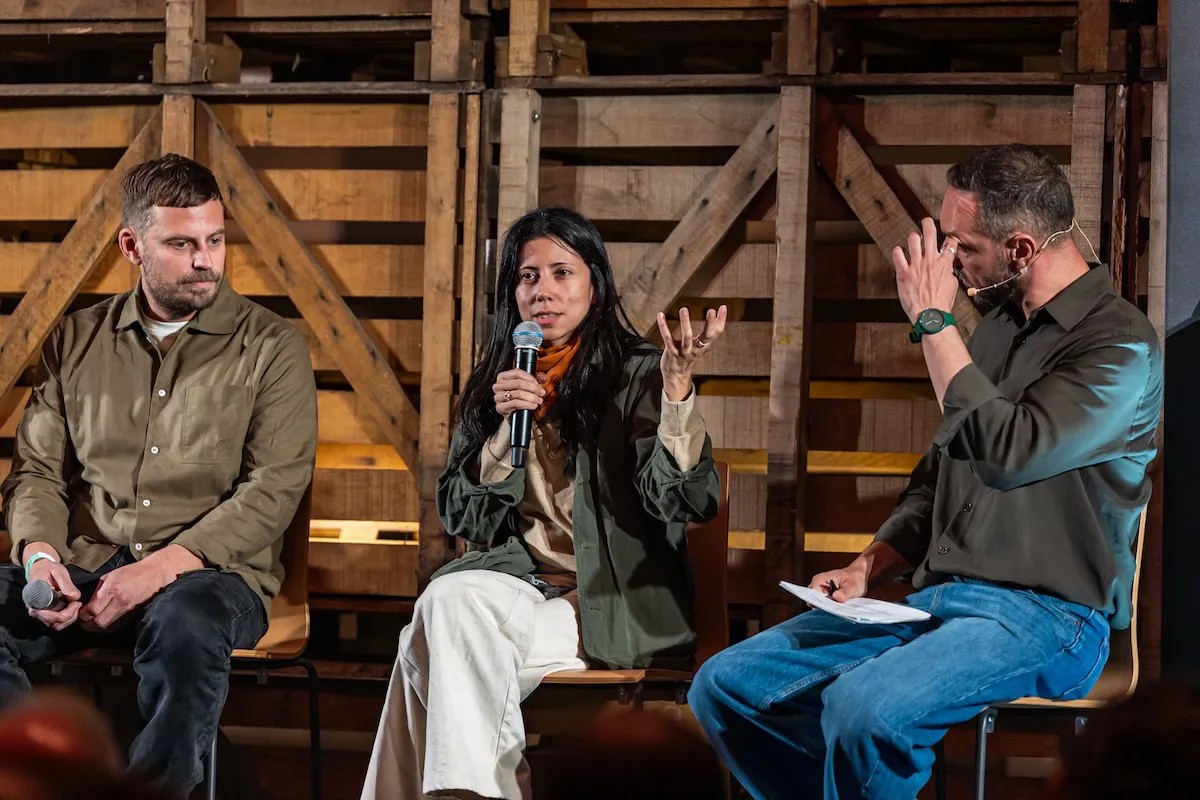
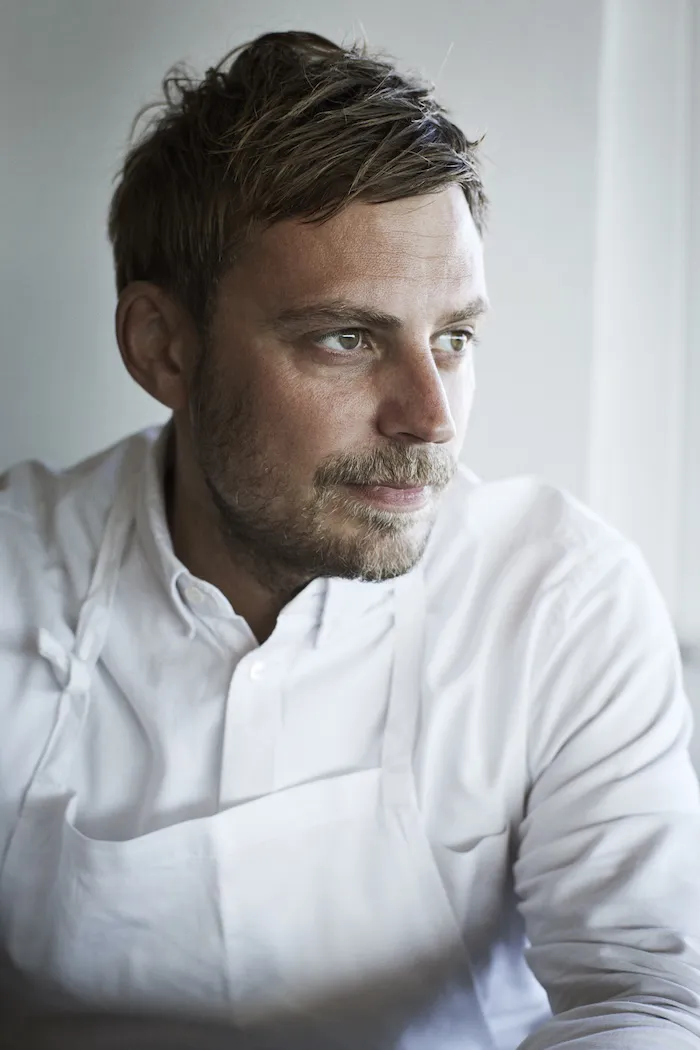
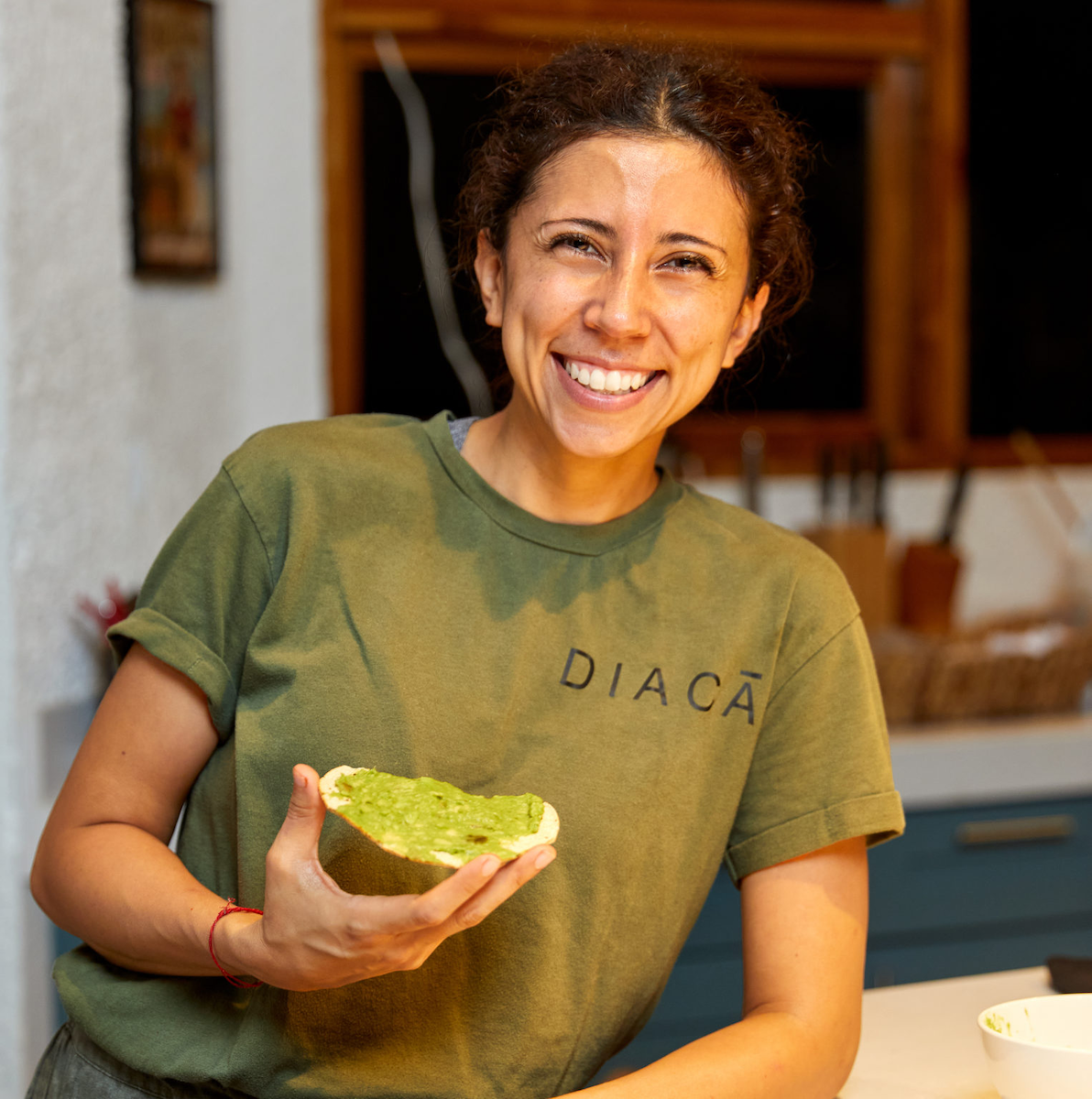
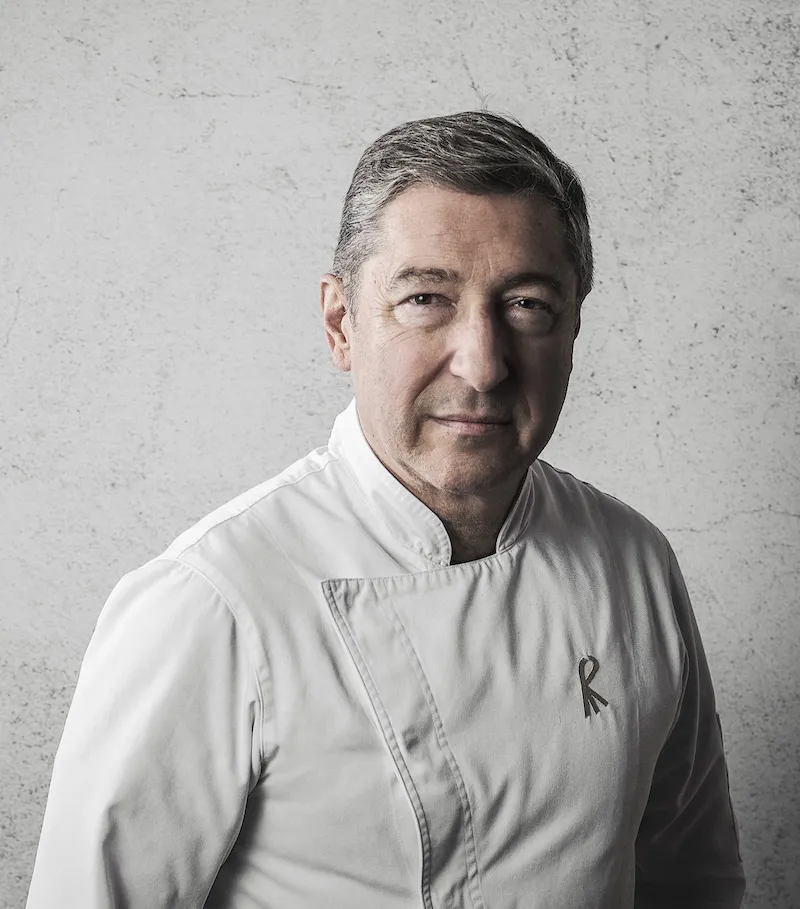
Every flavor tells a story, and every story carries experience. During the second AREA Talks session at The Best Chef Awards 2025, four world-renowned chefs gathered to reflect on how their journeys, challenges, and memories guide the evolution of contemporary cuisine. Under the theme “How Experience Inspires Tomorrow,” Massimo Bottura (Osteria Francescana – Modena, Italy), Joan Roca (El Celler de Can Roca – Girona, Spain), Nicolai Nørregaard (Kadeau – Copenhagen & Bornholm, Denmark), and Deborah Fadul (Diacá – Guatemala City, Guatemala) shared how wisdom rooted in culture and emotion continues to shape the food of the future.
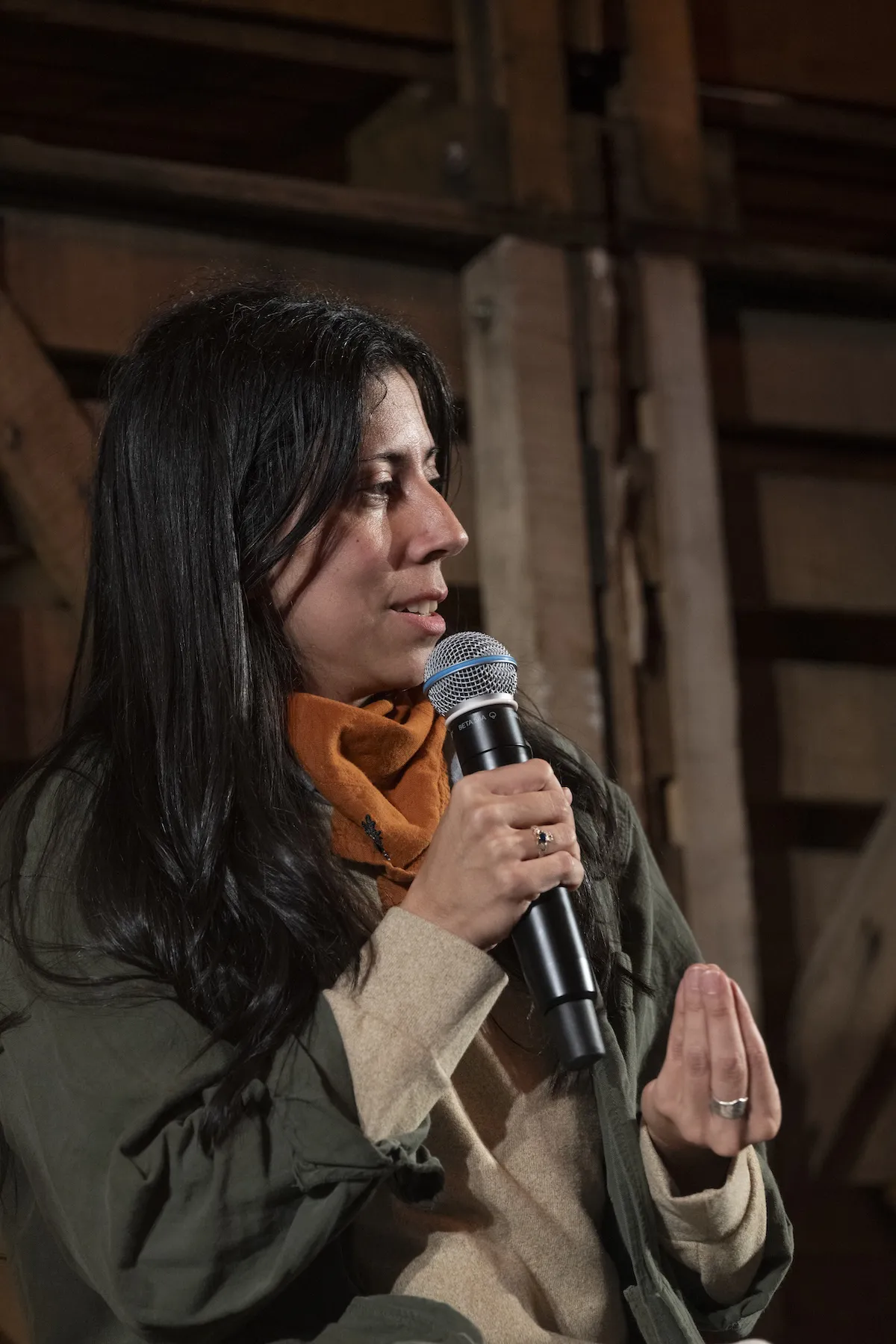
The discussion began with a reflection on cultural identity and its evolving role in gastronomy. Chef Deborah Fadul opened by emphasizing that innovation cannot exist without understanding where one stands. “When we think about the future in gastronomy,” she explained, “we must first think about the place—where we are and why we cook.” For Fadul, sustainability and creativity begin with humility and self-awareness. “We need to take ourselves out of the center,” she said, “and remember that we are part of something bigger. Real evolution starts when we question not only what we cook, but why.” Through her work in Guatemala, Fadul seeks to honor the land and the people behind every ingredient, encouraging a deeper consciousness in both chefs and diners.
From the north, Nicolai Nørregaard shared how his heritage on the small Danish island of Bornholm shapes his culinary philosophy. “The world is global now,” he noted, “but we can’t forget our roots.” He spoke about reinterpreting local traditions such as fish smoking—a practice deeply tied to his family and community. “It’s not about repeating what was done a hundred years ago,” he said, “but about bringing those ideas into a new context.” For Nørregaard, respecting local ingredients and stories while engaging with global inspiration is essential to keeping gastronomy authentic in a connected world.
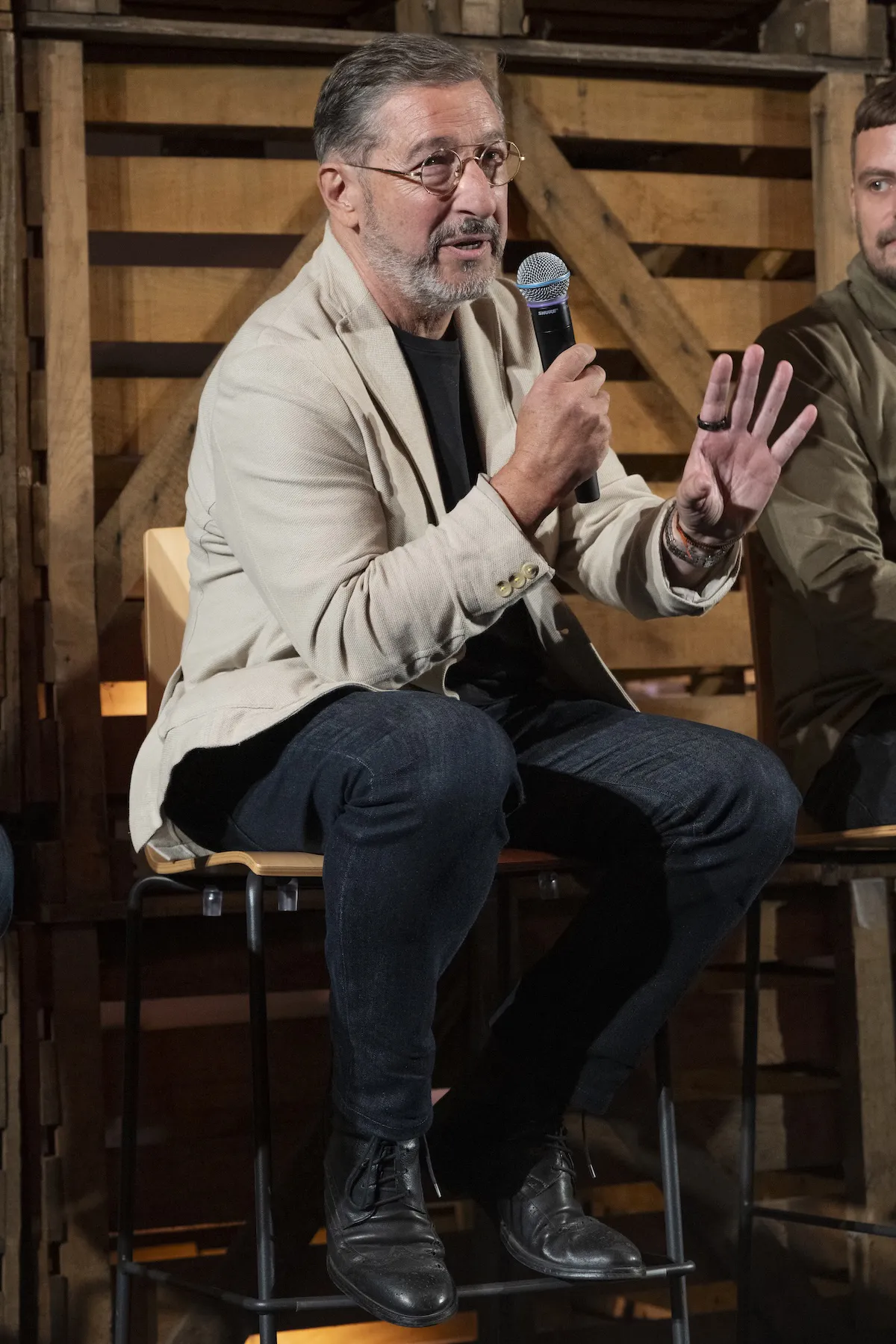
Adding his thoughtful voice to the discussion, Joan Roca spoke of the deep bond between heritage and progress and emphasized that innovation begins with respect for origins. “We should welcome inspiration from around the world,” he said, “but what truly moves people is identity. Our roots give meaning to what we create.” For Roca, gastronomy is a celebration of memory—an emotional bridge between past and present, between the people who cook and those who gather around the table.
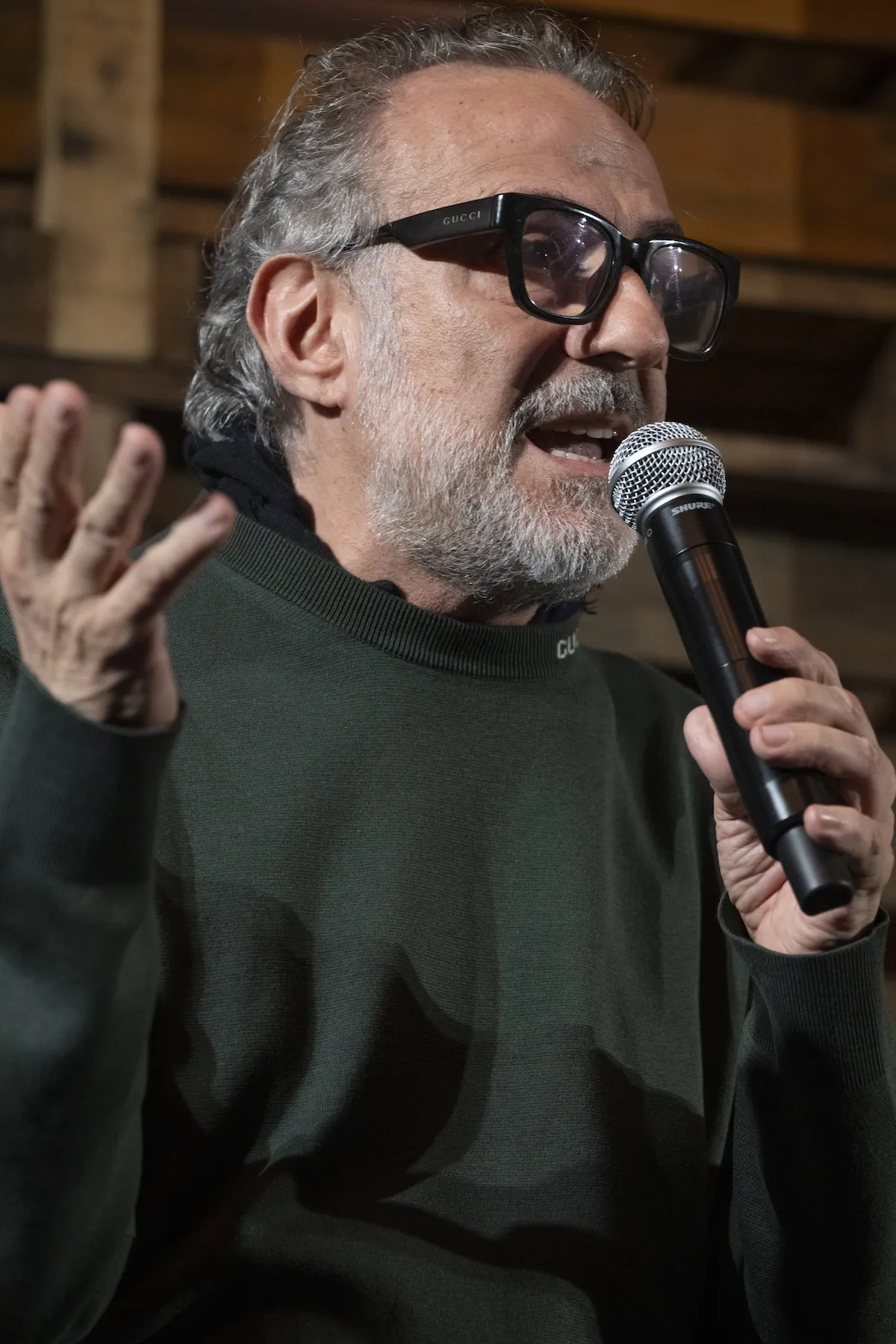
Building on the conversation, Massimo Bottura reflected on how culture and courage drive creativity. “The most important ingredient for the chef of the future is culture,” he said. “My cuisine is deeply Italian, filtered through a contemporary mind.” Bottura spoke passionately about the challenges of being ahead of one’s time, recalling early resistance to his now-iconic dish such as Five Ages of Parmigiano Reggiano. “Being contemporary is difficult,” he admitted. “The future belongs to those who have the courage to believe in their ideas.”
Food as a Bridge: Connecting Cultures and Communities in a Globalized World
As the conversation turned to globalization and the closing of borders, the chefs discussed how food can serve as a bridge across cultures. Fadul reminded the audience that “food is for everyone,” advocating for an approach that transcends boundaries. “Culture is not only about what’s on the plate,” she said. “It’s about how you eat, with whom, and why.” For her, storytelling through ingredients, materials, and design keeps traditions alive while opening doors to new interpretations.
Nørregaard reflected on how technology has erased physical borders, noting that “today, inspiration travels instantly.” Surrounded by a team drawn from over thirty different cultures, he regards this rich diversity as a classroom of ideas and a driving force for innovation. “We learn from each other,” he said. “But my mission is to teach my culture too—to share where I come from.” Roca added that cooking remains one of humanity’s purest forms of connection. “When we cook, we are not just preparing food—we are creating dialogue, empathy, and understanding,” he shared.
The conversation deepened as Bottura spoke about the social dimension of gastronomy. He highlighted his Food for Soul initiative and the global network of Refettorios, which transform surplus food into meals for those in need. “In a complex world, we must keep pushing our Refettorios,” he said. “Restaurants alone cannot carry the weight of change. Chefs must embody more than the dishes they create”
When asked about the future role of restaurants, the panelists agreed that they are no longer just places to eat. Bottura described his restaurant as a “contemporary Renaissance atelier”, a space where culture, agriculture, and community meet. Nørregaard added that for him, the restaurant is “a living gallery,” where art, nature, and food intertwine to create new experiences.Fadul envisioned the restaurant of tomorrow as a place of awareness and intention, where every action carries meaning: “We are channels between nature and people. When we cook, we shape culture, society, and even politics.” Roca concluded beautifully, saying, “Cooks can be happy by making others happy. Feeding is an act of care, and care is the essence of our profession.”
As the session drew to a close, the chefs were asked to share one word of wisdom for the next generation. Their responses captured the spirit of the discussion:
Nørregaard chose patience, reminding young chefs that meaningful work takes time.
Fadul chose respect, for oneself, for others, and for the ingredients.
Roca added passion and happiness, emphasizing that true success is found in joy, not accolades.
Bottura concluded: “Grow slowly, like a tree. Put your roots deep into the soil, so when the first big storm comes, you stand strong.”
Together, their words painted a vision of gastronomy that is rooted yet restless, local yet global, and above all, human.