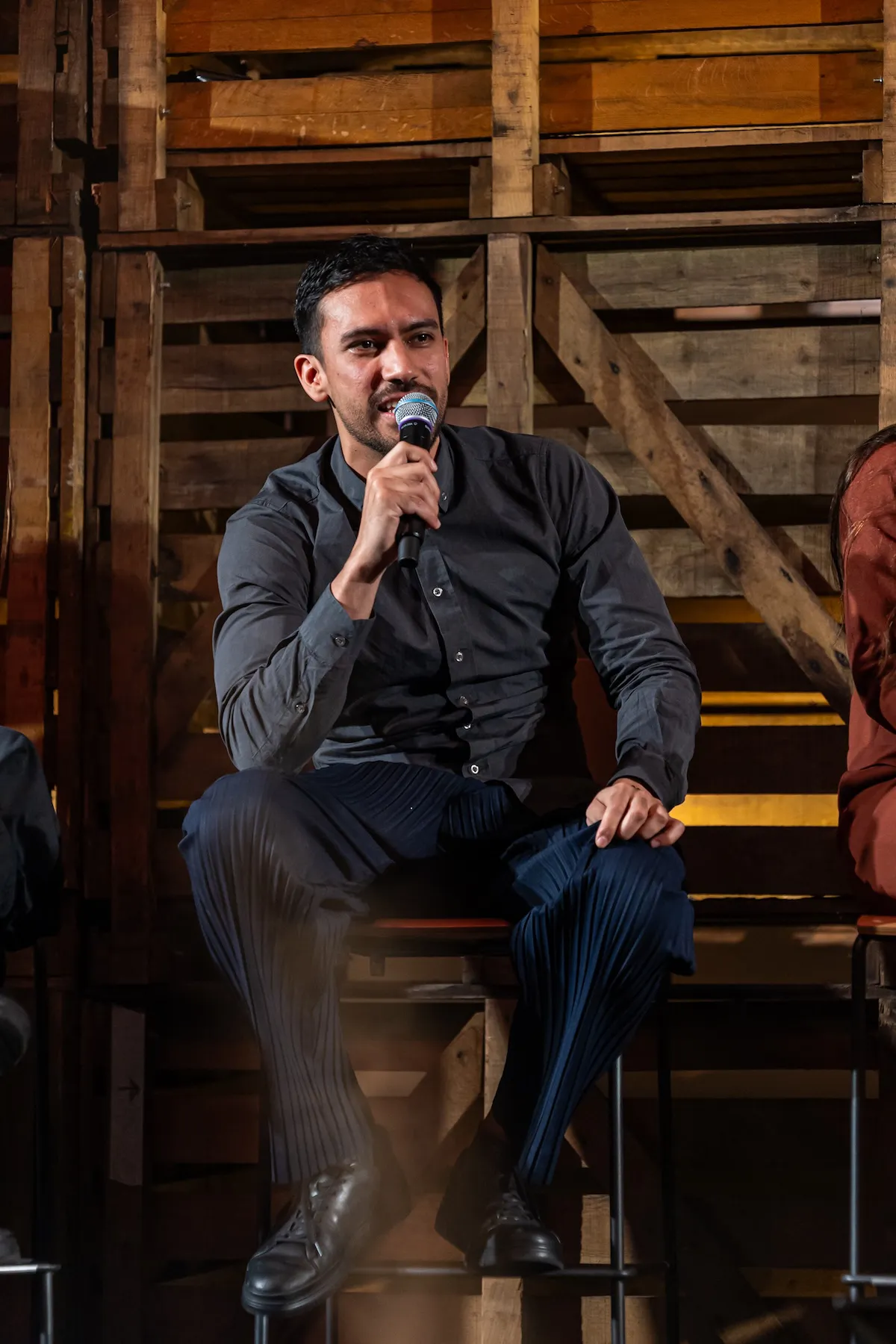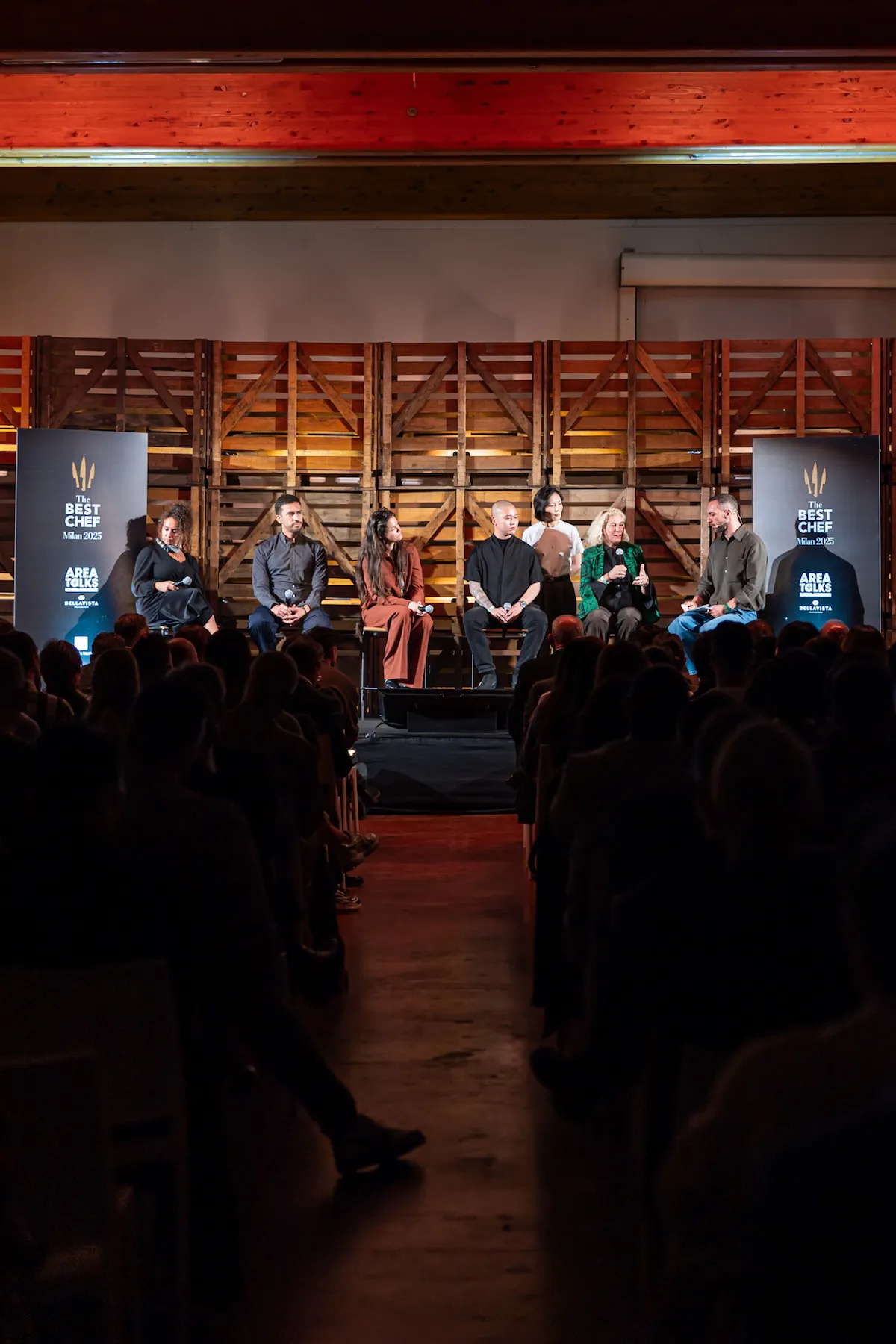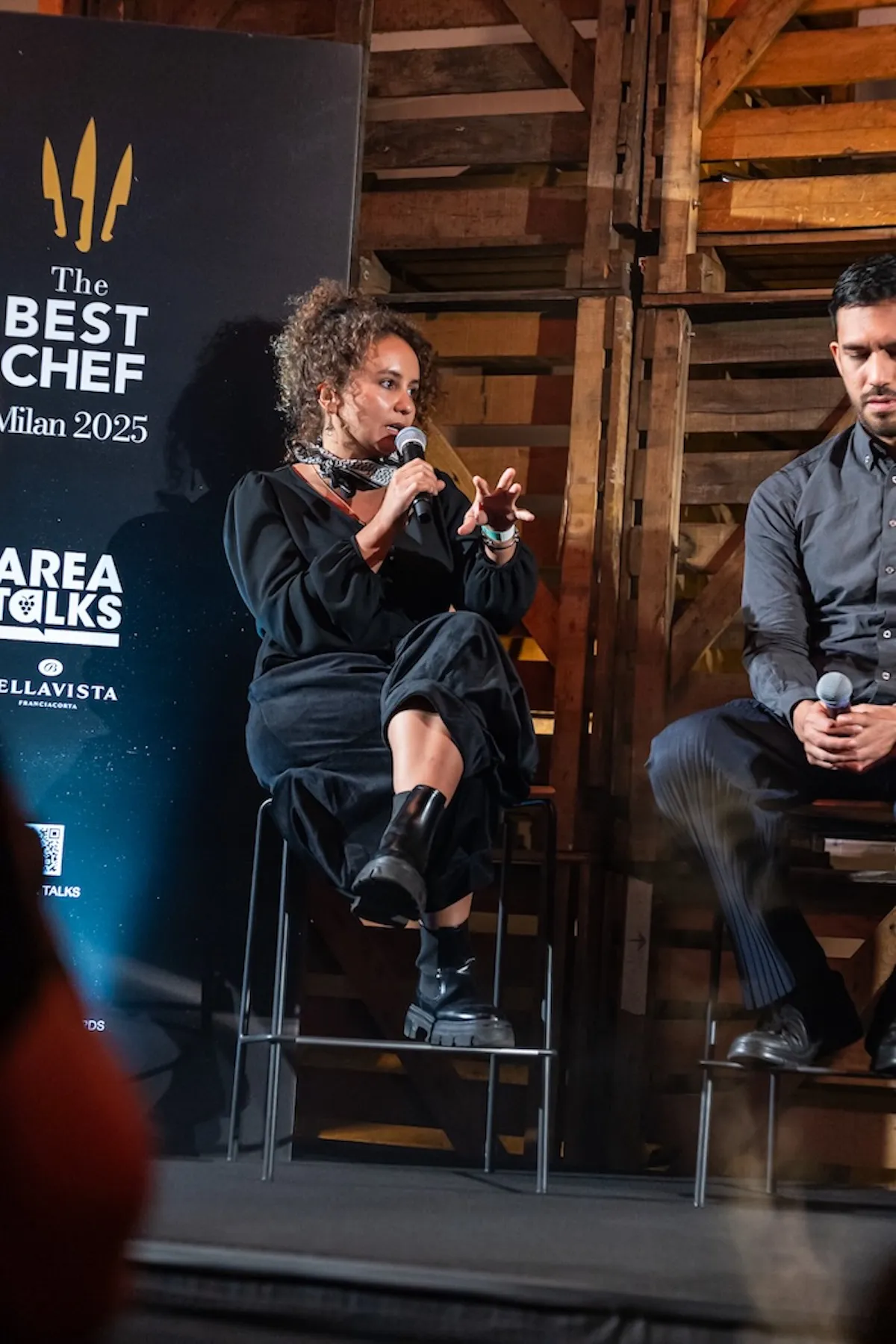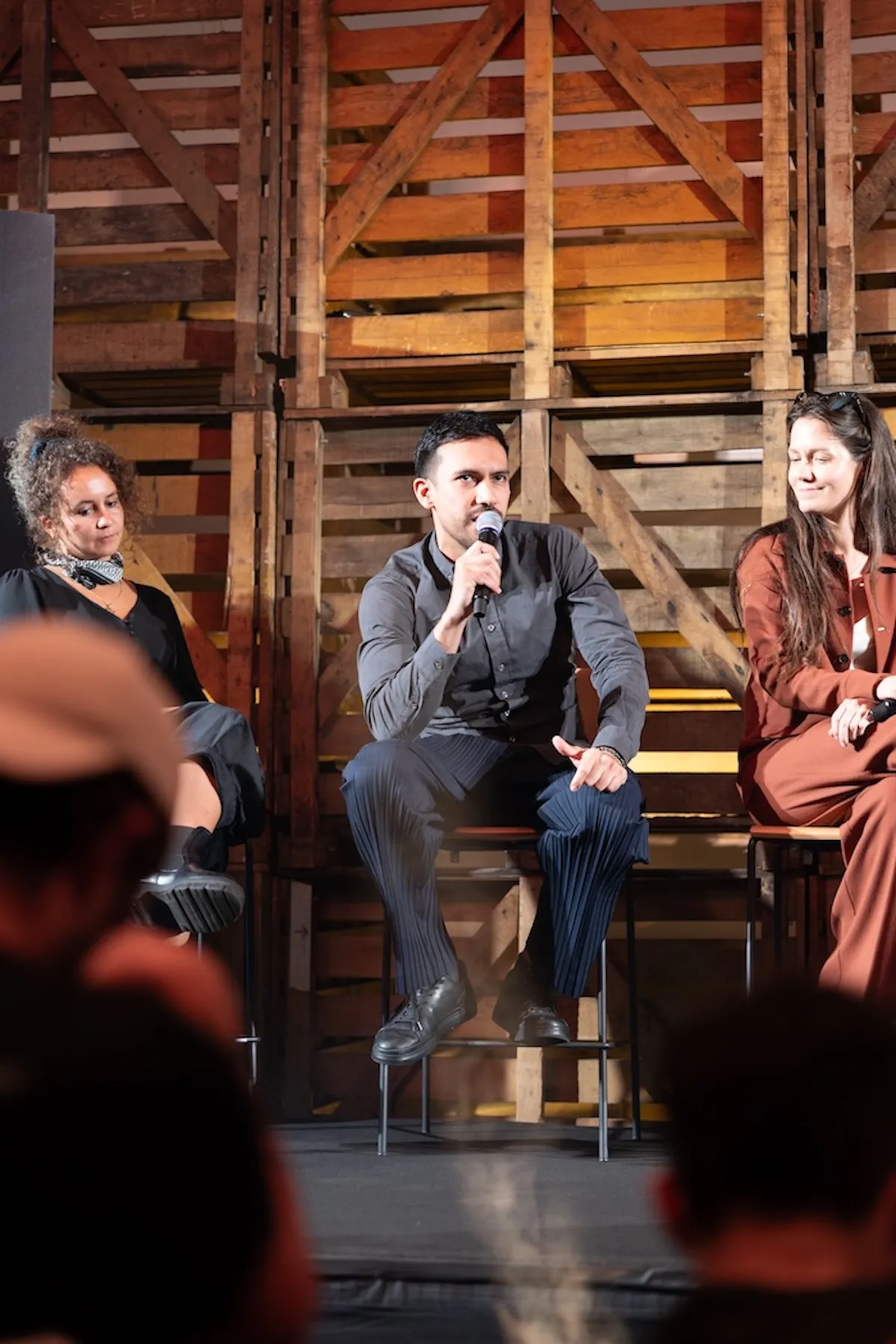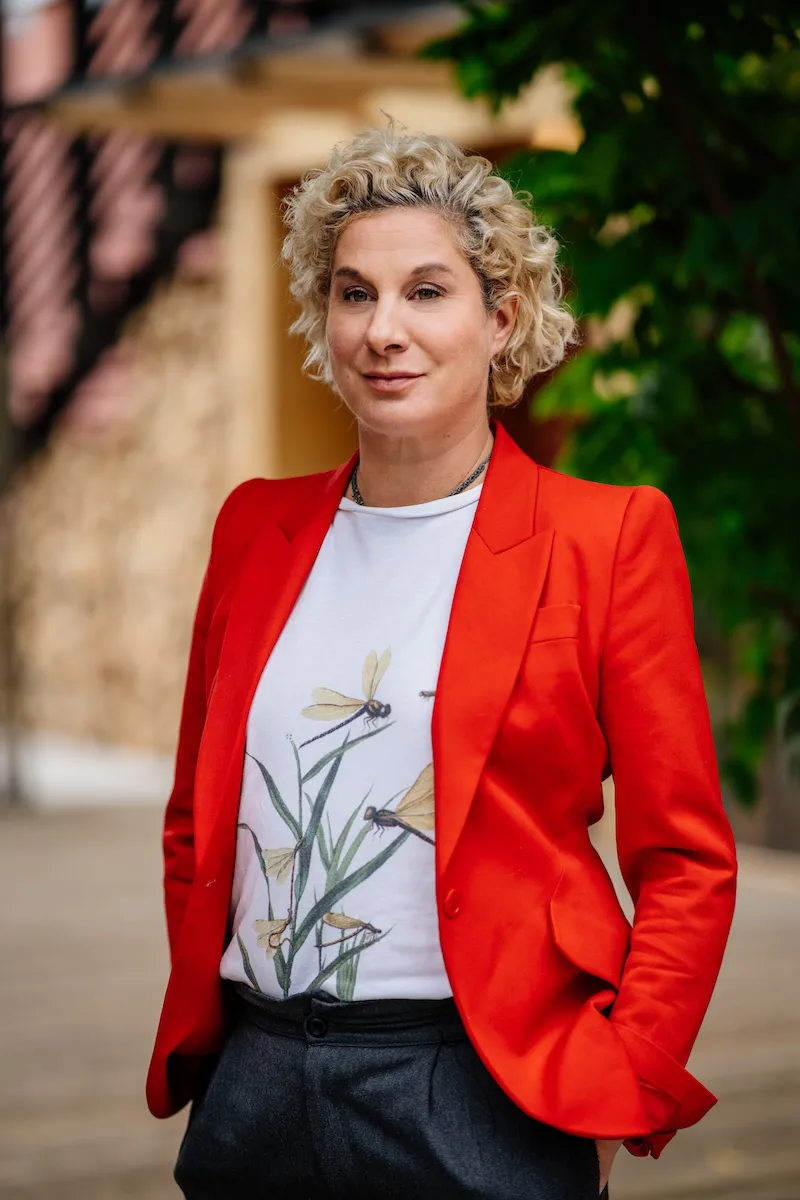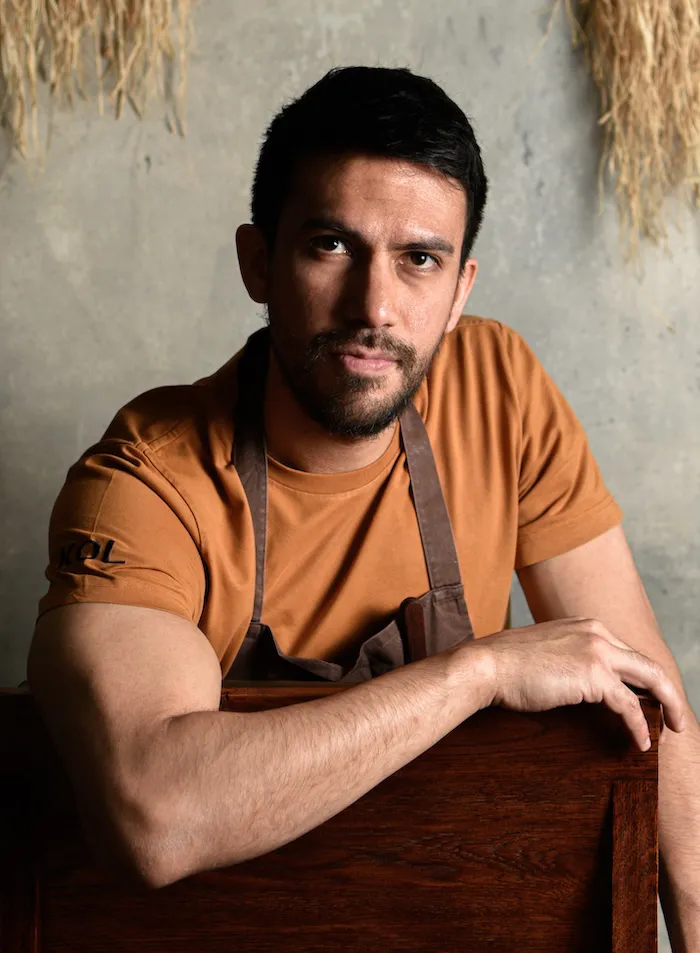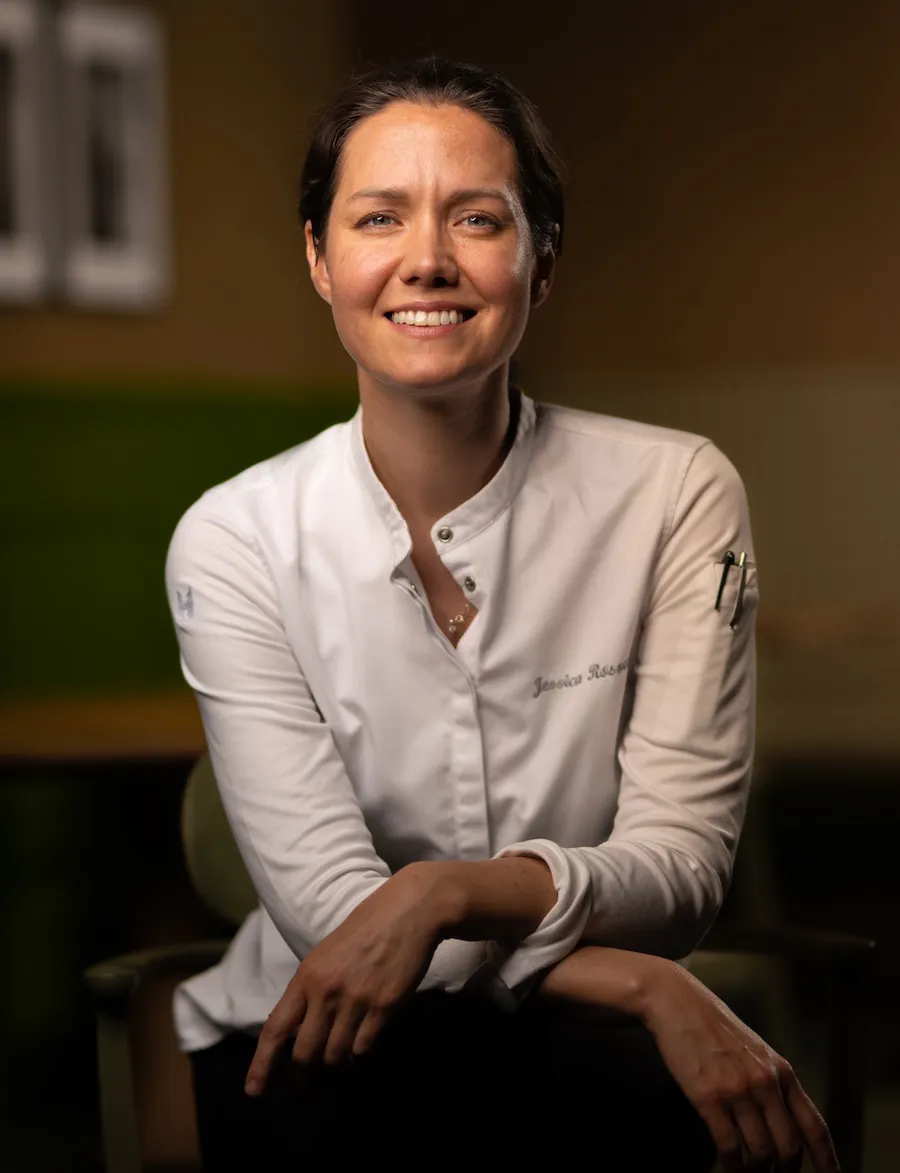

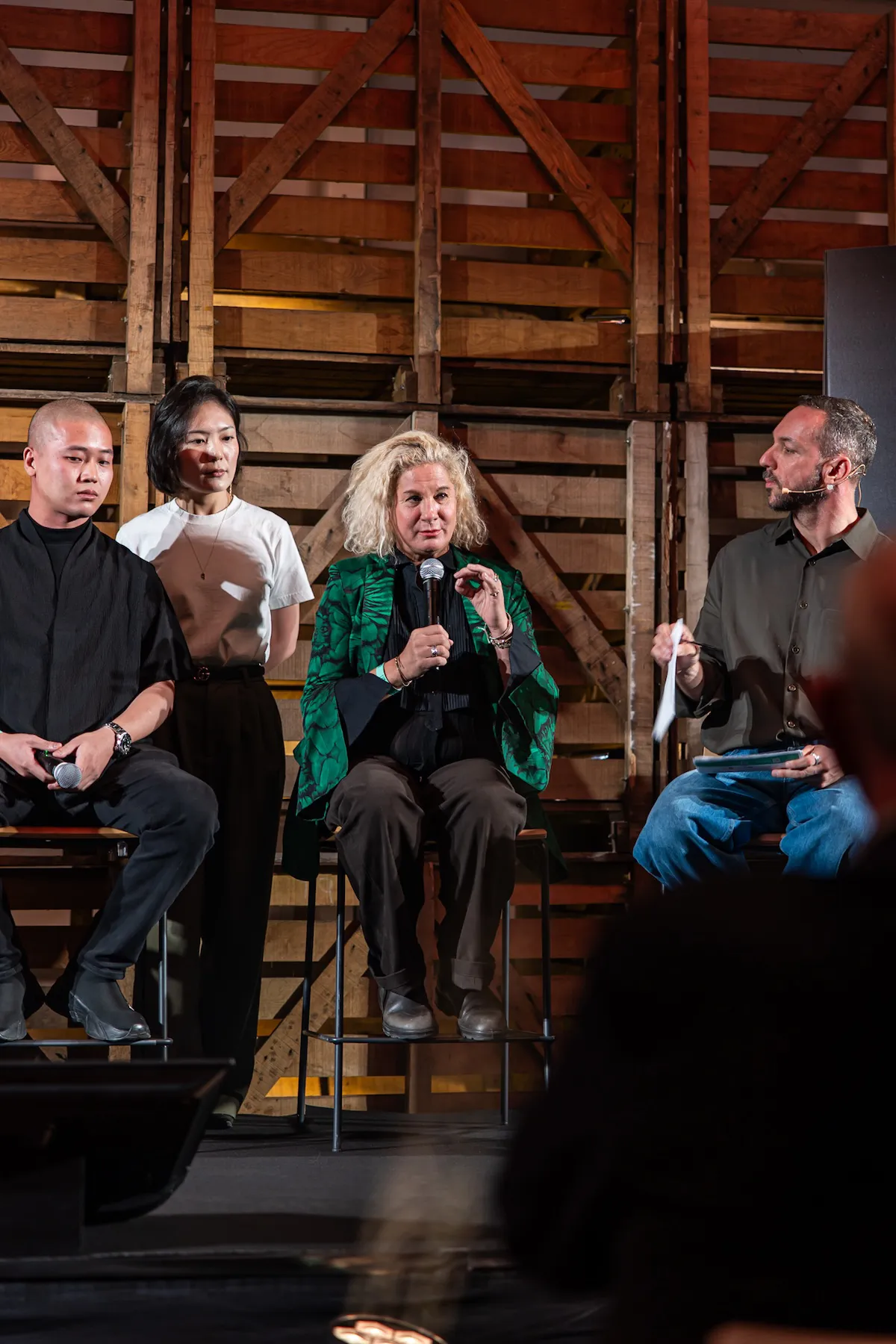
On October 1st, 2025, during the ninth edition of The Best Chef Awards, an inspiring AREA Talks session took place, bringing together some of the most forward-thinking voices in gastronomy. Moderated by Rafael Tonon, the discussion, titled “Breaking Boundaries: Redefining Fine Dining from the Ground Up”, gathered chefs Ana Roš (Hiša Franko, Slovenia), Jason Liu (Ling Long, China), Jessica Rosval (Al Gatto Verde and Roots, Italy), Santiago Lastra (Kol, United Kingdom), and Zineb “Zizi” Hattab (Kle, Switzerland). Together, they explored what it means to challenge conventions, push creative limits, and reimagine the very essence of fine dining today.
The conversation opened with reflections on how each chef breaks boundaries in their daily work.
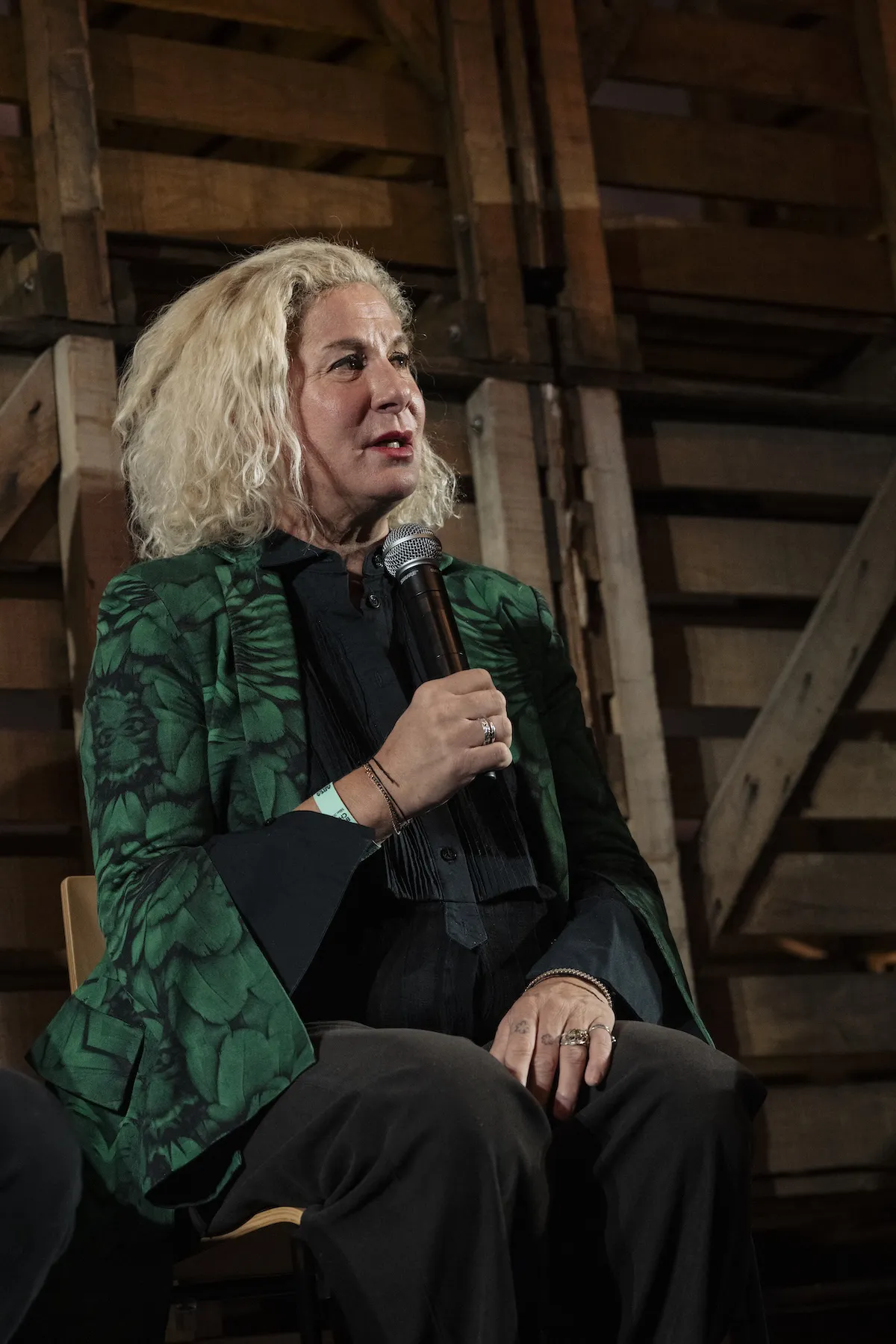
For Ana Roš, whose countryside restaurant Hiša Franko has earned three Michelin stars and a Green Star, breaking boundaries is an act of resilience. “Every day is a survival game,” she said. “People think it’s glamorous, but we’re constantly fighting nature, weather, and remoteness. Yet, that struggle gives us strength — it makes us better every day.” Roš spoke passionately about perseverance and authenticity, explaining that true creativity often emerges from constraints rather than perfection.
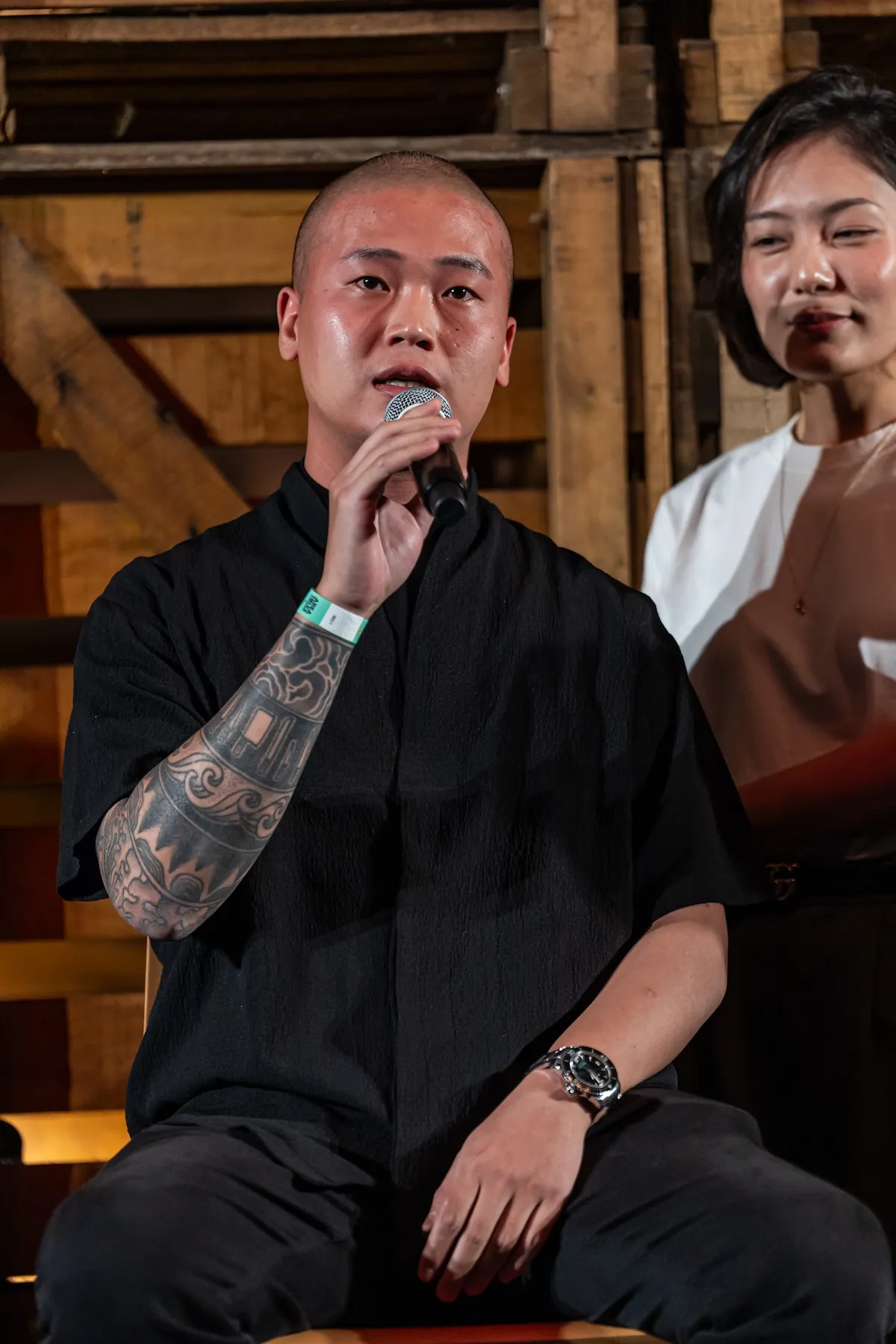
Chef Jason Liu of Ling Long in Shanghai described his approach as a dialogue between tradition and innovation. Having trained in Western cuisine before rediscovering his Chinese culinary roots, Liu now bridges the philosophies of East and West. “For me, breaking boundaries means doing something no one has done before — using Chinese authenticity as a foundation for innovation,” he shared, highlighting his mission to redefine global perceptions of Chinese fine dining.
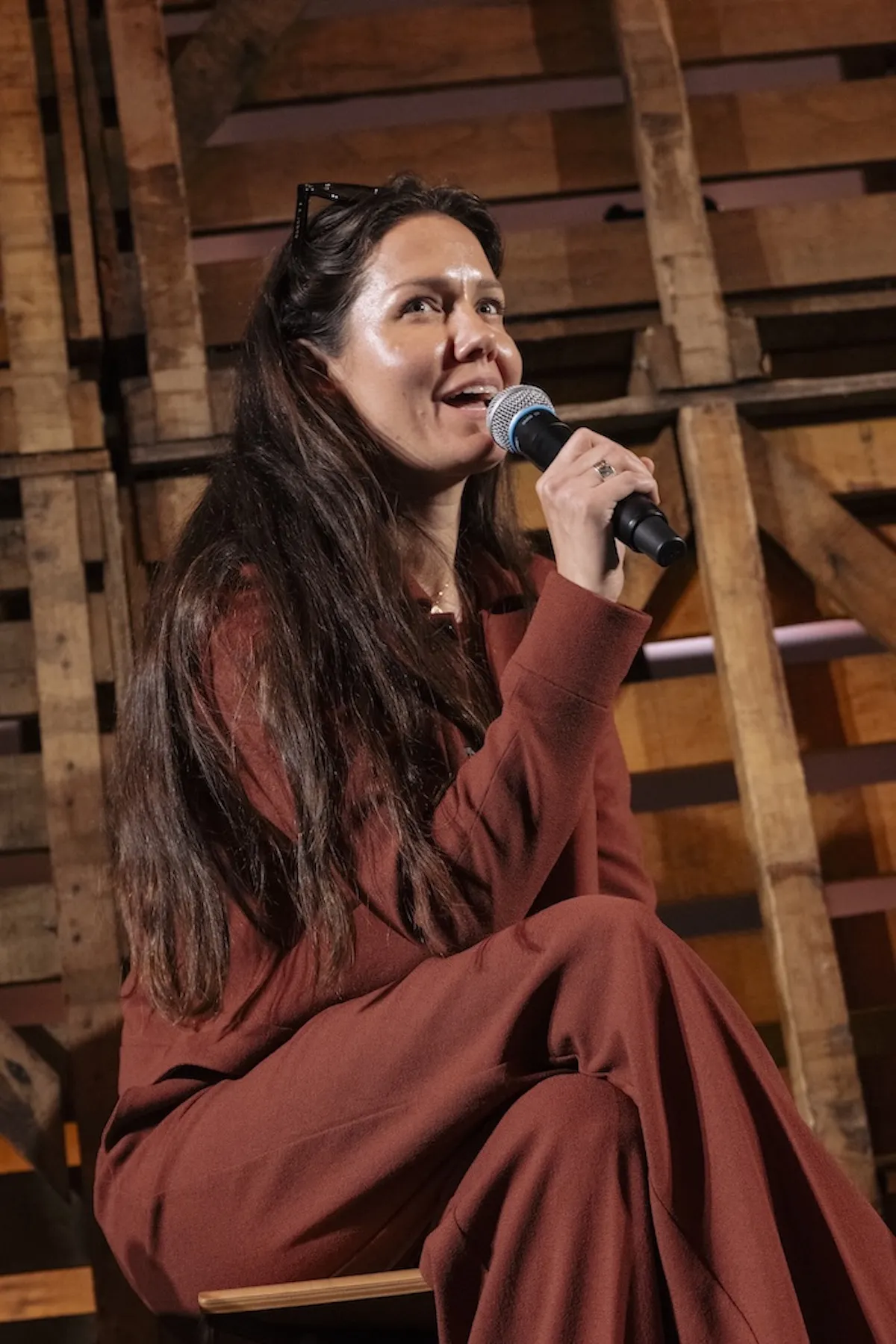
Jessica Rosval, Executive Chef of Al Gatto Verde in Modena and founder of Roots, a nonprofit training restaurant for migrant women, reflected on everyday choices as acts of change. “We don’t break boundaries through grand gestures,” she said. “It’s in the small decisions we make daily, how we structure our kitchens, create equal opportunities, and build healthy, sustainable workplaces. That’s how we change the system from within.”
At Kol in London, Chef Santiago Lastra challenges expectations of Mexican cuisine by sourcing exclusively local British ingredients. “People used to bring limes in their handbags,” he laughed. “We don’t use lime or avocado if they’re not in season. Our job is to reinterpret Mexican flavor through British nature — to show that identity is more than ingredients; it’s philosophy.” For Lastra, pushing boundaries means scientific precision, cultural respect, and adaptability in an evolving dining landscape.
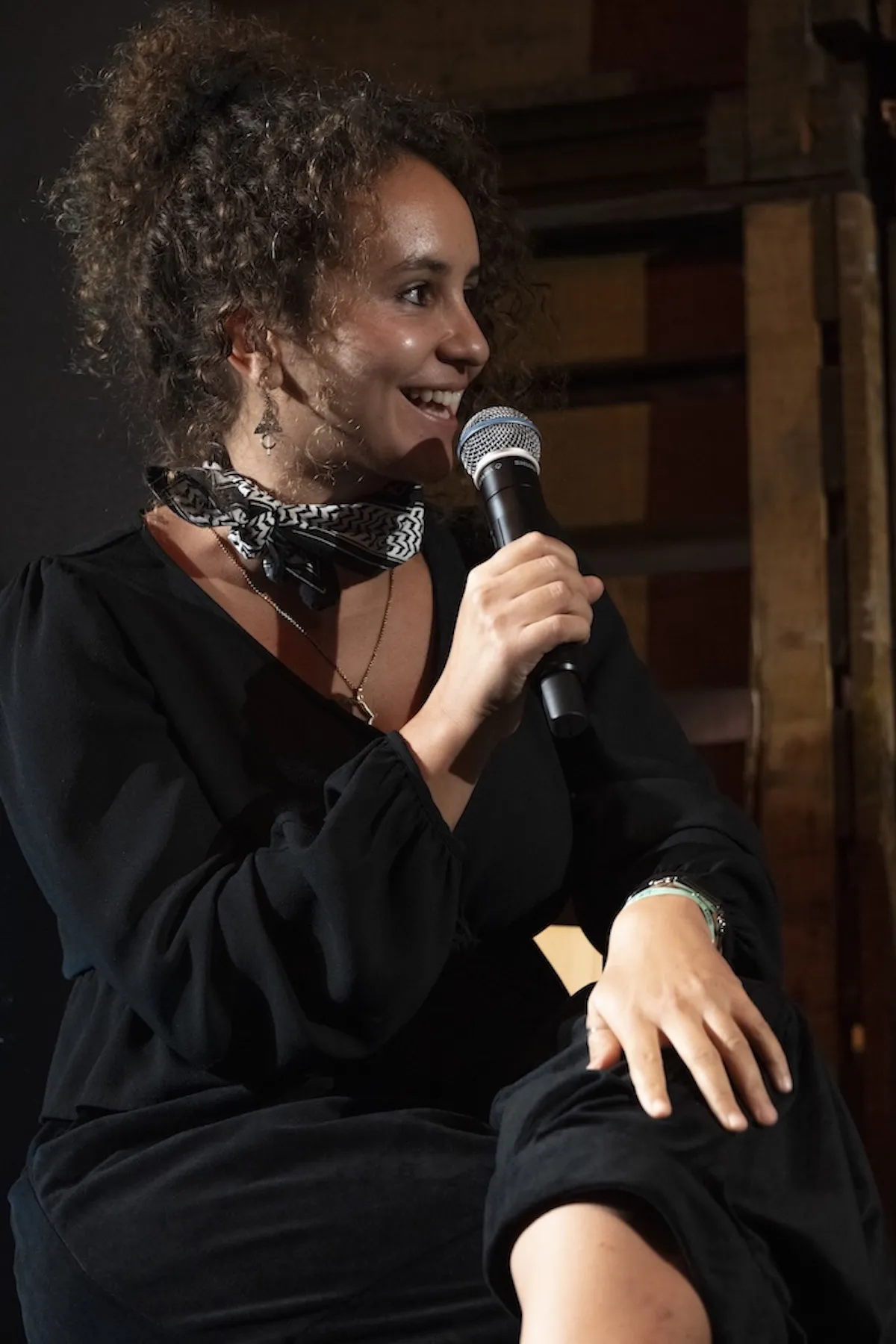
Meanwhile, Zineb Hattab of Kle in Zurich brings a plant-based perspective to fine dining. “We challenge the status quo in every sense — from work conditions to ingredients,” she said. “Fine dining doesn’t need caviar or foie gras to be luxurious. Identity isn’t lost when we remove animal products; it evolves.” For Hattab, redefining fine dining means proving that plant-based cuisine can be equally indulgent, emotionally resonant, and culturally rich.
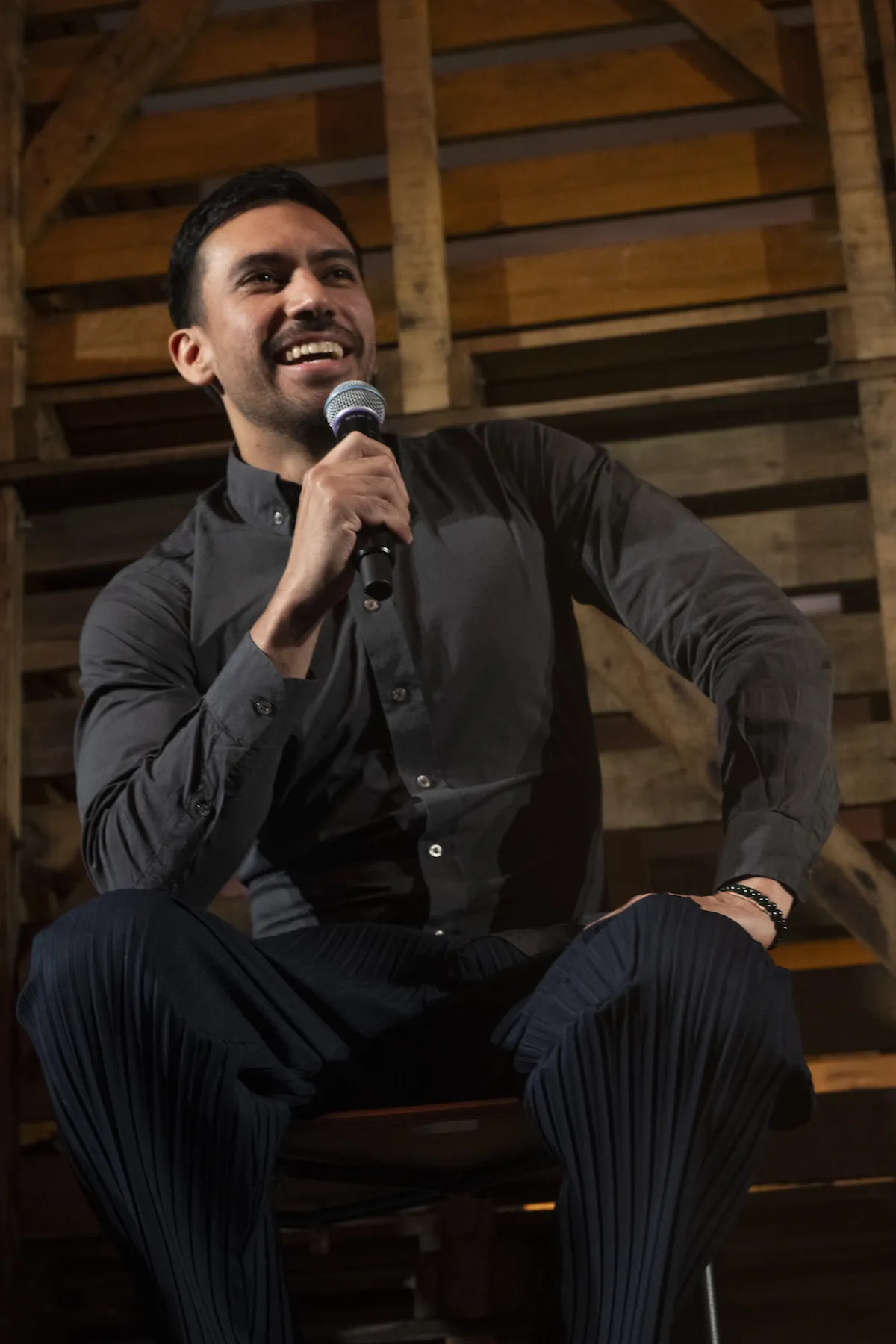
Redefining Fine Dining from the Ground Up
The second part of the conversation turned to the future of fine dining — how it can become more inclusive, flexible, and emotionally engaging.
Roš defended fine dining as an art form comparable to visiting a concert or gallery. “We need those special moments,” she said. “You dress up, you flirt with the food, someone takes care of you — that’s beauty. Fine dining is one of the great arts, and we should be proud of it.”
For Hattab, fine dining is about intention and care, not exclusivity. “Our guests grew with us,” she explained. “We started simply, and they showed us there was interest. For me, fine dining is about the attention you give — to the product, to people, to detail — not about formality.”
Rosval pointed out the evolving tastes of modern diners. “Fine dining has always been performative — silverware, rituals, ceremony. But what people seek now are stories. The future of dining lies in authenticity and narrative — experiences that reflect who we are and what we believe.”
Liu emphasized that fine dining, especially in China, serves as a cultural bridge. “It’s a platform to communicate who we are to the world,” he said, underscoring the role of chefs as cultural ambassadors.
Lastra concluded with a forward-looking challenge: “We need to make fine dining cool again — relevant for the next generation. It should be exciting, expressive, healthy, and sustainable, but also joyful.”
Keeping the Essence, Changing the System
As the panel drew to a close, the chefs reflected on what fine dining should preserve and transform moving forward. Sustainability, mental health, and fair working conditions emerged as central themes. “We can’t create healthy food if our teams aren’t healthy,” said Hattab.
Rosval praised fine dining’s capacity to strengthen local economies, while Roš highlighted the financial and emotional realities behind independent restaurants: “Fine dining is art, but art must be supported. When you have no investors, sustainability becomes a real question. It’s not just about creativity, it’s about survival.”
In the end, the chefs agreed that while fine dining continues to evolve, its emotional core, connection, craftsmanship, and storytelling remains irreplaceable.
As Ana Roš concluded with a smile, “Fine dining isn’t fading. It’s changing and we’re the ones building its future.”